
Nintendo US launch dates · 1985–2025
Nintendo consoles in order
Fifteen major Nintendo consoles in US release order—from the NES (1985) through Switch 2 (2025), including Game Boy, Nintendo DS, and Nintendo 3DS handheld lines. Home, portable, and hybrid systems on one timeline; model variants (Lite, OLED, XL, SP) and pre-NES history are in the FAQ below.
Release order
NES (1985) → Game Boy (1989) → SNES → N64 → Game Boy Color & Advance → GameCube → Nintendo DS → Wii → Nintendo 3DS → Wii U → Nintendo Switch → Switch 2 (2025).
- This is the full Nintendo consoles timeline in US release order—home, handheld, and hybrid systems on one list
- We don't list prices, bundles, or where to buy—check Nintendo or your preferred retailer
- For Sony, Microsoft, and Sega in the same era, see the industry-wide game console timeline
At a glance
NES (1985) → Game Boy (1989) → SNES → N64 → Game Boy Color & Advance → GameCube → Nintendo DS → Wii → Nintendo 3DS → Wii U → Nintendo Switch → Switch 2 (2025).
Tap a year to jump straight to that console.
Nintendo consoles in order
US launch dates for every major Nintendo home, handheld, and hybrid system on this timeline.
 N
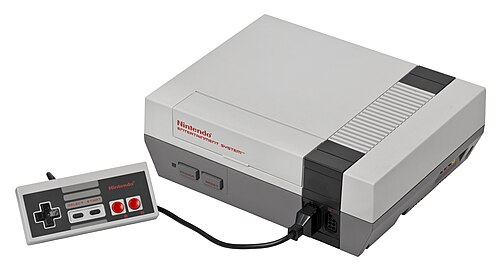
NNES
HomeThe Nintendo Entertainment System (NES) revived home consoles after the 1983 crash—standardized cartridges and the modern first-party model.
- What's new
- Lockout hardware, game pak distribution, and a curated third-party ecosystem rebuilt Western console trust. The Nintendo Entertainment System (NES) revived home consoles after the 1983 crash—standardized cartridges and the modern first-party model.
- Hardware
- US launch October 18, 1985 (earlier test markets 1985). Famicom Japan 1983 is the sibling origin.
- Standout games
- Launch window packs and first-party pillars (Super Mario Bros., The Legend of Zelda) taught living-room expectations.
- Context
- Hardware-history start for Nintendo home line. Software eras defined Mario/Zelda baselines still cited today. Follow Start Here if you want the shortest 2026 checklist that still includes this chapter.
 N
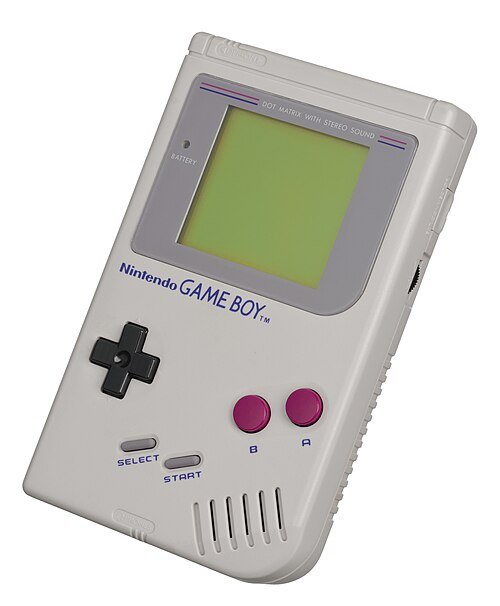
NGame Boy
HandheldThe Game Boy (1989) made handheld gaming mainstream—durable greyscale LCD and a shared cartridge library that traveled everywhere.
- What's new
- Long battery life over color flash; Link Cable multiplayer socialized portable play. Later chapters still answer the stealth systems and themes this entry set.
- Hardware
- Japan April 21, 1989; US July 31, 1989. Play It Loud / Pocket variants followed.
- Standout games
- Tetris pack-in cultural bomb; Pokémon Red/Blue later cemented the platform’s second life. The Game Boy (1989) made handheld gaming mainstream—durable greyscale LCD and a shared cartridge library that traveled everywhere.
- Context
- Defines Nintendo handheld history. Survived flashier rivals on battery and software depth. Current storefront editions and collections are the practical buy.
 N
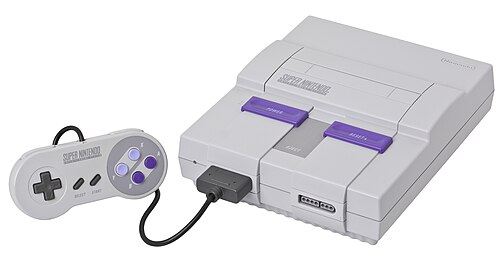
NSNES
HomeThe Super Nintendo (SNES) is 16-bit home peak for Nintendo—Mode 7 spectacle and a ferocious first-party 1990s library.
- What's new
- Richer color/audio vs NES; Super FX chips extended late-generation 3D/FX experiments. Later chapters still answer the stealth systems and themes this entry set.
- Hardware
- Japan Nov 1990 (Super Famicom); US August 23, 1991. Platforms: Home.
- Standout games
- Super Mario World, The Legend of Zelda: A Link to the Past, and Super Metroid headline the era. The Super Nintendo (SNES) is 16-bit home peak for Nintendo—Mode 7 spectacle and a ferocious first-party 1990s library.
- Context
- Core hardware-history pillar between NES and N64. Retro reissues keep demand high. Current storefront editions and collections are the practical buy.
 N
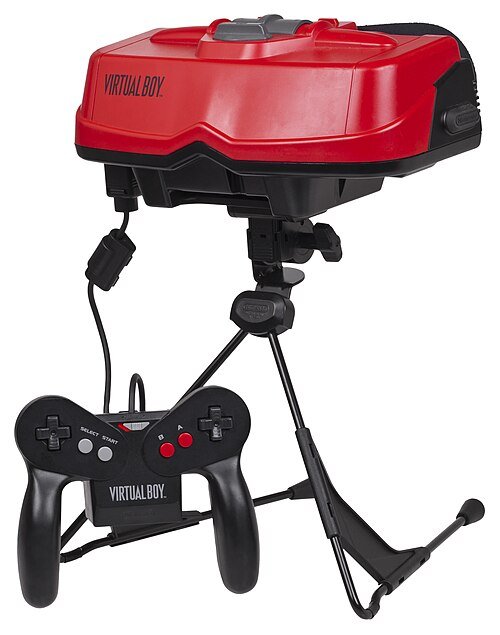
NVirtual Boy
HandheldThe Virtual Boy (1995) is Nintendo’s stereoscopic cautionary tale—red/black 3D tabletop that flopped fast.
- What's new
- Parallax LED stereoscopy experimented with portable 3D long before mainstream VR headsets. Later chapters still answer the stealth systems and themes this entry set.
- Hardware
- Japan July 21, 1995; US August 14, 1995. Short retail life.
- Standout games
- Virtual Boy Wario Land is the usual “if you must” software footnote for the hardware story. The Virtual Boy (1995) is Nintendo’s stereoscopic cautionary tale—red/black 3D tabletop that flopped fast.
- Context
- Historical miss, not a library destination. Collectors chase it; newcomers can skip play. Current storefront editions and collections are the practical buy.
 N
NN64
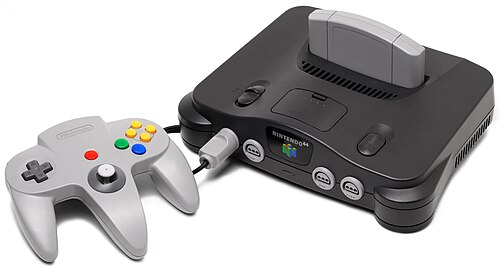
HomeThe Nintendo 64 (1996) pushed 3D analog control into living rooms—cartridges over discs, four controller ports standard.
- What's new
- Analog stick + rumble pack norms; cartridge latency favored responsive 3D platformers. Later chapters still answer the stealth systems and themes this entry set.
- Hardware
- Japan June 23, 1996; US September 29, 1996. Platforms: Home.
- Standout games
- Super Mario 64, The Legend of Zelda: Ocarina of Time, and GoldenEye 007 defined the generation’s talk track.
- Context
- Critical 3D transition hardware. Smaller third-party showing than disc rivals, huge first-party gravity. Current storefront editions and collections are the practical buy.
 N
NGame Boy Color
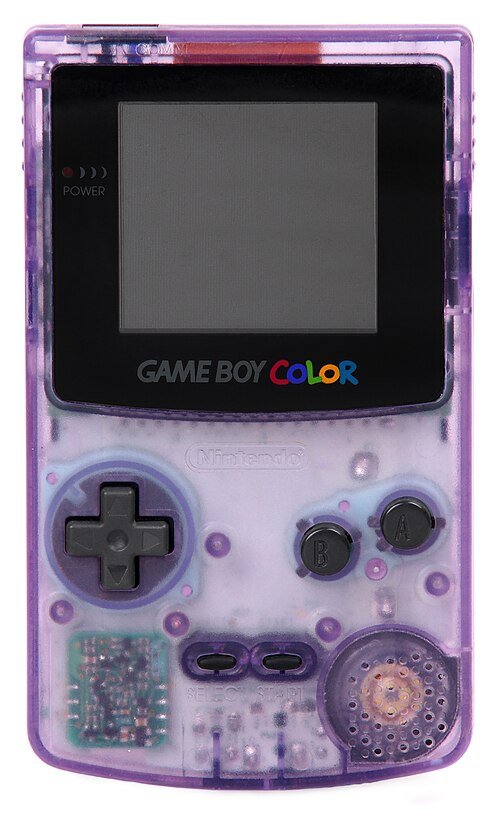
HandheldThe Game Boy Color (1998) added a color LCD while keeping backward compatibility with original Game Boy carts.
- What's new
- Dual-mode cartridges and colorized classics extended the DMG ecosystem instead of orphaning it. Later chapters still answer the stealth systems and themes this entry set.
- Hardware
- Japan October 21, 1998; US November 18, 1998. Platforms: Handheld.
- Standout games
- Color-exclusive hits plus enhanced GB library kept the pocket format alive into the GBA handoff. The Game Boy Color (1998) added a color LCD while keeping backward compatibility with original Game Boy carts.
- Context
- Bridge handheld between greyscale GB and GBA. Pokémon Gold/Silver era hardware for many players. Current storefront editions and collections are the practical buy.
 N
NGame Boy Advance
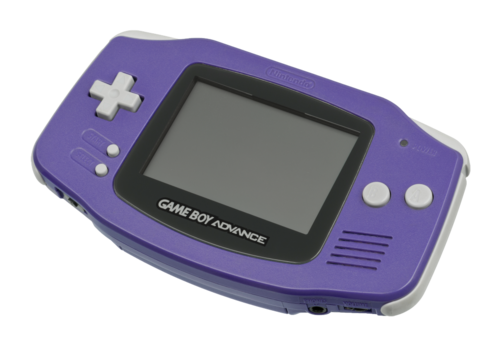
HandheldThe Game Boy Advance (2001) brought 32-bit portable power—widescreen SPRITES and a late golden age of handhelds.
- What's new
- Forward-compatible with GB/GBC carts on the same slot; SP redesign fixed ergonomics/backlight demands. Later chapters still answer the stealth systems and themes this entry set.
- Hardware
- Japan March 21, 2001; US June 11, 2001. SP and Micro variants followed.
- Standout games
- Flagship RPGs and platformers thrived; many SNES-quality ports defined “advanced” expectations. The Game Boy Advance (2001) brought 32-bit portable power—widescreen SPRITES and a late golden age of handhelds.
- Context
- Peak pre-DS handheld library density. Still a preservation favorite. Current storefront editions and collections are the practical buy.
 N
NGameCube
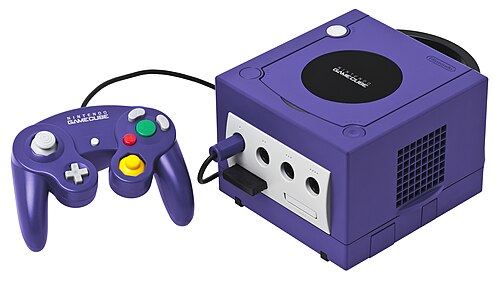
HomeThe Nintendo GameCube (2001) is compact mini-DVD home hardware—purple lunchbox chassis and strong first-party 2000s play.
- What's new
- Mini-disc format and controller redesign; online was minimal versus rivals’ broadband pushes. Later chapters still answer the stealth systems and themes this entry set.
- Hardware
- Japan September 14, 2001; US November 18, 2001. Platforms: Home.
- Standout games
- The Legend of Zelda: The Wind Waker, Metroid Prime, and Super Smash Bros. Melee headline lasting demand.
- Context
- Underrated library era between N64 and Wii. Hardware-history beat for GameCube exclusives. Current storefront editions and collections are the practical buy.
 N
NDS
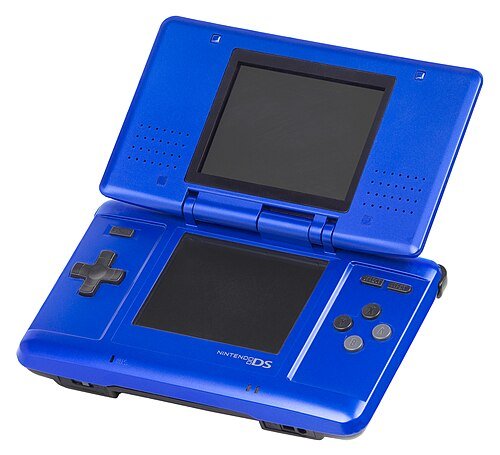
HandheldThe Nintendo DS (2004) bet on dual screens and a touch stylus—redefining handheld input and huge software scale.
- What's new
- Touch/mic gimmicks became genre tools; DS Lite / DSi refreshed the install base for years. Later chapters still answer the stealth systems and themes this entry set.
- Hardware
- US November 21, 2004 (after Japan). Lite and DSi followed.
- Standout games
- Nintendogs, Brain Age, and Pokémon titles proved touch could be mass-market, not novelty. The Nintendo DS (2004) bet on dual screens and a touch stylus—redefining handheld input and huge software scale.
- Context
- Best-selling handheld generation story. Critical bridge into 3DS. Current storefront editions and collections are the practical buy.
 N
NWii
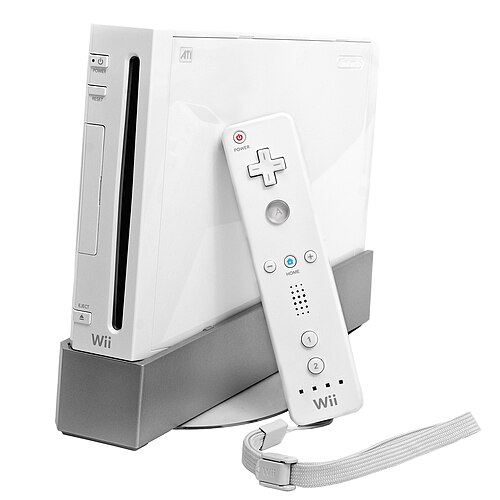
HomeThe Nintendo Wii (2006) mainstreamed motion controls—blue ocean living-room play and a gigantic casual install base.
- What's new
- Wii Remote pointing/gestures plus GameCube backward compatibility on early units. Later chapters still answer the stealth systems and themes this entry set.
- Hardware
- US November 19, 2006. Family Edition / Mini variants later trimmed ports.
- Standout games
- Wii Sports pack-in cultural moment; first-party classics kept hardcore libraries alive beside casual hits. The Nintendo Wii (2006) mainstreamed motion controls—blue ocean living-room play and a gigantic casual install base.
- Context
- Hardware-history inflection: non-gamers entered the market at unprecedented rates. Current storefront editions and collections are the practical buy.
 N
N3DS
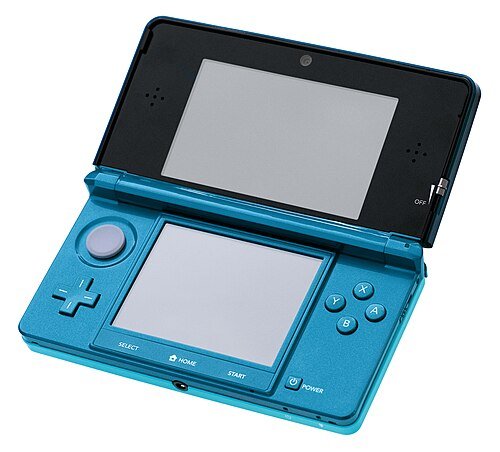
HandheldThe Nintendo 3DS (2011) added glasses-free 3D and a deep late portable library—New 3DS revisions extended life.
- What's new
- Autostereoscopic 3D plus StreetPass social asynchronous features defined the decade’s Nintendo portable. Later chapters still answer the stealth systems and themes this entry set.
- Hardware
- Japan February 26, 2011; US March 27, 2011. XL / New 3DS later.
- Standout games
- First-party RPGs and remakes thrived; Virtual Console deepened the handheld archive story. The Nintendo 3DS (2011) added glasses-free 3D and a deep late portable library—New 3DS revisions extended life.
- Context
- Final major dual-screen portable before Switch hybrid dominance. 2DS sibling removed 3D. Current storefront editions and collections are the practical buy.
 N
NWii U
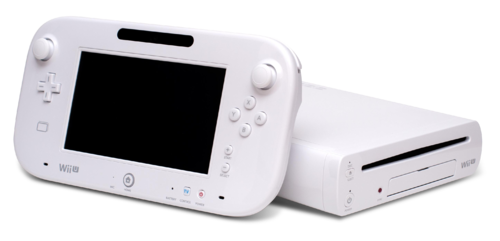
HomeThe Wii U (2012) experimented with a GamePad second screen—commercial miss that still prototyped Switch thinking.
- What's new
- Asymmetric GamePad play and off-TV modes foreshadowed hybrid living-room/portable ideas. Later chapters still answer the stealth systems and themes this entry set.
- Hardware
- US November 18, 2012. Short generation vs Switch’s 2017 reset.
- Standout games
- Key exclusives later remastered or re-released; treat the box as a prototype chapter, not a dead end. The Wii U (2012) experimented with a GamePad second screen—commercial miss that still prototyped Switch thinking.
- Context
- Hardware-history bridge: weak sales, strong late first-party that migrated concepts to Switch. Current storefront editions and collections are the practical buy.
 N
N2DS
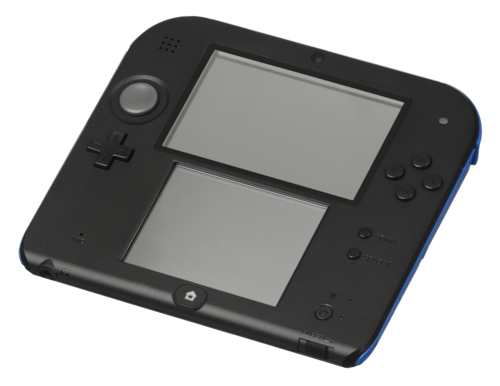
HandheldThe Nintendo 2DS (2013) is a budget 3DS-family slab—same software library without glasses-free 3D or a clamshell hinge.
- What's new
- Cost-down form factor that widened 3DS access for younger households and schools. Later chapters still answer the stealth systems and themes this entry set.
- Hardware
- US October 12, 2013. XL variant later. Plays 3DS/DS carts.
- Standout games
- Identical software story to 3DS—choose 2DS for price/ergonomics, not exclusive games. The Nintendo 2DS (2013) is a budget 3DS-family slab—same software library without glasses-free 3D or a clamshell hinge.
- Context
- Accessory-to-history: not a new generation, but a distribution strategy inside the 3DS ecosystem. Current storefront editions and collections are the practical buy.
 N
NSwitch
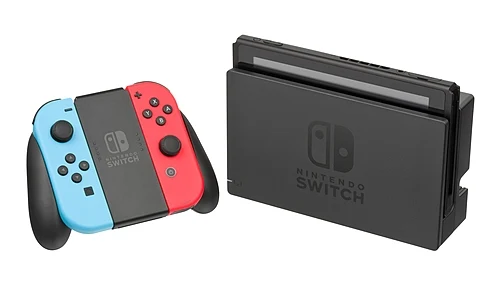
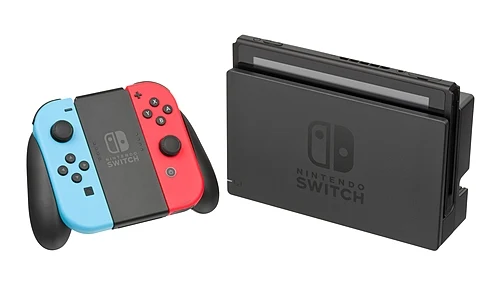
HybridThe Nintendo Switch (2017) made hybrid play the default—docked TV and handheld in one edition that dominated a generation.
- What's new
- Detachable Joy-Con multiplayer and seamless dock/handheld modes redefined console form factors. Later chapters still answer the stealth systems and themes this entry set.
- Hardware
- US March 3, 2017. Lite and OLED revisions segmented the lineup.
- Standout games
- The Legend of Zelda: Breath of the Wild and Animal Crossing: New Horizons exemplify hybrid-era software gravity.
- Context
- Modern Nintendo baseline until Switch 2. Huge install base for first- and third-party releases. Current storefront editions and collections are the practical buy.
 N
NSwitch 2
HybridThe Nintendo Switch 2 (2025) continues hybrid design with a stronger performance target for the mid-2020s living room.
- What's new
- Next-step hybrid hardware aiming to keep docked/handheld parity while lifting fidelity and kit ambitions. The Nintendo Switch 2 (2025) continues hybrid design with a stronger performance target for the mid-2020s living room.
- Hardware
- 2025 launch window as Nintendo’s successor hybrid. Revisions may follow the Switch playbook.
- Standout games
- Launch-generation first-party and enhanced ports define early library talk—watch platform pages as editions settle.
- Context
- Current Nintendo home/handheld flagship as of 2026. Backward-looking software strategies evolve in FAQ territory. Current storefront editions and collections are the practical buy.
FAQ
How many systems exist, which came first, handheld vs home order, model variants, and how this page compares to the full industry timeline.
Basics
This timeline lists 15 major Nintendo consoles in US release order—one entry per generation, from NES through Switch 2. If you count every variant—Game Boy Pocket, GBA SP, DS Lite, DSi XL, New 3DS, Switch Lite, Switch OLED, Wii Mini, and similar redesigns—the total reaches about 33, similar to full hardware guides. Variants play the same games as their parent console and are listed in the FAQ below, not as separate titles on this timeline.
In the United States, the Nintendo Entertainment System (NES) on October 18, 1985 is the first Nintendo home console on this timeline. In Japan, the Family Computer (Famicom) launched July 15, 1983—the same system under a different name. The Game Boy (1989) was Nintendo's first cartridge handheld. Game & Watch (1980) came earlier as single-game portables, and Color TV-Game (1977) was Nintendo's first home TV game device. The full list in order is on this page.
US release order on this page: NES (1985) → Game Boy (1989) → SNES (1991) → Virtual Boy (1995) → Nintendo 64 (1996) → Game Boy Color (1998) → Game Boy Advance (2001) → GameCube (2001) → Nintendo DS (2004) → Wii (2006) → Nintendo 3DS (2011) → Wii U (2012) → Nintendo 2DS (2013) → Nintendo Switch (2017) → Nintendo Switch 2 (2025). That is the complete Nintendo consoles timeline for major home, handheld, and hybrid hardware.
Handhelds & hybrid
This page mixes home and handheld launches by year: Game Boy came between NES and SNES; Nintendo DS between GameCube and Wii. Handheld-only order: Game Boy → Game Boy Color → Game Boy Advance → Nintendo DS → Nintendo 3DS → Nintendo 2DS. Home-only: NES → SNES → Virtual Boy → N64 → GameCube → Wii → Wii U. Switch and Switch 2 count as both home and handheld.
History
Related pages
More timelines
Other release-order and story-order guides on this site.
- Consoles
Game consoles
History and US release dates for major home and hybrid video game consoles, from…
- Consoles
PlayStation consoles
All PlayStation consoles in US release order (1995–2020)—PS1 through PS5, PSP and PS…
- Consoles
Sega consoles
All Sega consoles in US release order (1986–1999)—Master System through Dreamcast,…
- Consoles
Xbox consoles
All Xbox consoles in US release order (2001–2020)—original Xbox through Series X | S,…
- Game series
The Legend of Zelda
Zelda release and story order (1987–2024), official timeline branches after Ocarina,…
- Game series
Pokémon
Pokémon mainline RPGs in US release order (1998–2025) and regional story…
- Consoles
Handheld consoles
Major handheld game consoles in US release order (1989–2023)—Game Boy through Switch…