
Release & story order
Pokémon timeline
Every mainline Pokémon RPG in US release order and story order—from Hisui and Kanto through Paldea and Lumiose—with notes where regions overlap and Nintendo never fixed exact timing. Release covers ship dates: When each mainline game launched in the United States. Remakes and Legends titles are listed separately so you can compare launch dates. Story follows fiction: Story order by region—not one continuous plot. Use Start Here and Essentials for a 2026 default path; FAQ covers remasters, spin-offs, and skip costs.
Pick your path:
Where to start
Pick Modern for Scarlet/Violet (and optional Legends: Arceus), Remakes for FireRed/HeartGold/ORAS/Brilliant Diamond on current hardware, or Retro mainline for one game per generation without duplicate remakes. DLC and spin-offs stay on the full list.
- Remakes replace originals for play—pick one version per generation
- Legends: Z-A is a separate Kalos adventure—not required before Scarlet/Violet
- Hide expansions to drop DLC entries from view
- Mystery Dungeon and spin-offs: Pokémon spin-offs timeline
Release order
When each mainline game launched in the United States. Remakes and Legends titles are listed separately so you can compare launch dates. Release order lists when each Pokémon chapter shipped so you can buy current editions and see remasters as separate rows when they matter.
- New to the series → Scarlet/Violet or Legends: Z-A on Switch, or a remake (Brilliant Diamond, FireRed, etc.)
- Retro marathon → Red/Blue → Gold/Silver → Ruby/Sapphire → … by US launch date
- Remakes replace the original for play—pick one version per generation (see the FAQ)
- Spin-offs (Mystery Dungeon, Ranger, Snap, and more) are covered on separate timelines—this list is mainline RPGs only
Story order tips
Story order by region—not one continuous plot. Red/Blue and Ruby/Sapphire sit in the same broad era; Gold/Silver follows about three years later. Later regions mostly run in sequence. Grouped regions mark where you should not count "years later" across areas.
- Grouped regions overlap—do not count "years later" from one group to the next
- Confirmed gaps within a group: Gold/Silver three years after Red/Blue; Black 2/White 2 two years after Black/White
- Legends: Arceus is a Sinnoh prequel; Legends: Z-A ties to Kalos—Scarlet/Violet vs Z-A order is unknown (see the FAQ)
Story order
Story order by region—not one continuous plot. Red/Blue and Ruby/Sapphire sit in the same broad era; Gold/Silver follows about three years later. Later regions mostly run in sequence. Grouped regions mark where you should not count "years later" across areas.
- Grouped regions overlap—do not count "years later" from one group to the next
- Confirmed gaps within a group: Gold/Silver three years after Red/Blue; Black 2/White 2 two years after Black/White
- Legends: Arceus is a Sinnoh prequel; Legends: Z-A ties to Kalos—Scarlet/Violet vs Z-A order is unknown (see the FAQ)
Timeline
When each game was released. Click a game for platforms, dates, and where it fits in your playthrough.
Release order
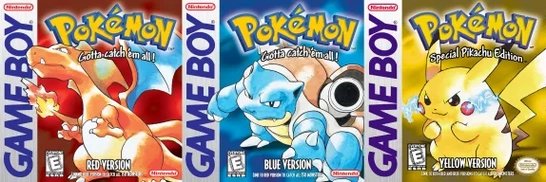
Pokémon Red / Blue
Game BoyMainlineGen 1Pokémon Red / Blue — Generation I debut — Kanto League, 151 Pokémon, and the franchise formula.
- Overview
- Satoshi Tajiri and Game Freak paired turn-based monster catching with link-cable trading — a portable RPG built around collection and version-exclusive species.
- In-game setting
- Become Champion in Kanto; Team Rocket and Mewtwo cap the adventure. Red and Blue differ mainly by exclusive Pokémon (Version exclusives drive trading).
- Should you play it?
- Historic but dated—FireRed/LeafGreen or Let's Go are easier Kanto entries (Let's Go is covered on the spin-off games timeline).
- Release date
- US launch: September 30, 1998 (Game Boy). Japan received Red/Green in 1996 and Blue in 1996—this timeline uses US dates.
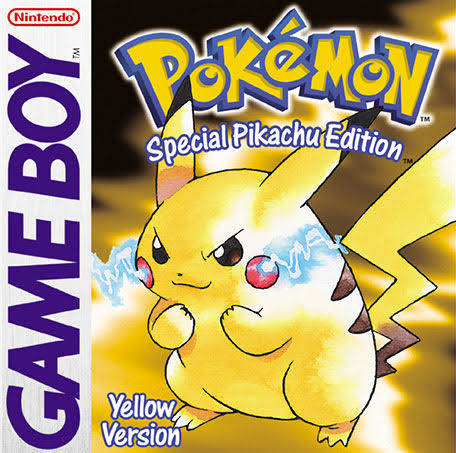
Pokémon Yellow
Game BoyMainlineGen 1Pokémon Yellow puts a follower Pikachu beside you for an anime-flavored Kanto revisit—not a new region.
- Overview
- Partner Pikachu walks behind the player and reacts to friendship — a preview of mechanics that later defined HeartGold/SoulSilver. Series craft here still shapes how fans describe later entries.
- In-game setting
- Same Kanto map as Red/Blue with adjusted gyms and story beats closer to the animated series. Pokémon Yellow puts a follower Pikachu beside you for an anime-flavored Kanto revisit—not a new region.
- Should you play it?
- Optional nostalgia if you already cleared Red/Blue or a remake. Anime vibes: Pokémon anime. Current digital editions are usually easier than hunting original discs.
- Release date
- US launch: October 18, 1999 (Game Boy). Confirm the Pokémon Yellow SKU for your region before buying.
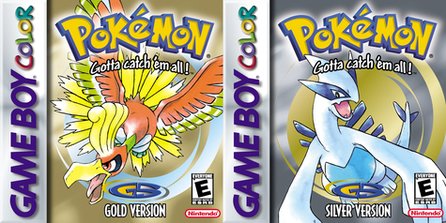
Pokémon Gold / Silver
Game Boy ColorMainlineGen 2Pokémon Gold / Silver — Johto plus a post-game Kanto return — the first direct regional sequel.
- Overview
- Real-time clock, day/night wild encounters, breeding, held items, and a full second region after the Elite Four.
- In-game setting
- Johto League and roaming Legendary beasts; after becoming Champion you revisit Kanto with updated gyms — story-wise set about three years after Red/Blue.
- Should you play it?
- HeartGold/SoulSilver replace this for most players — same story, modern controls. Current digital editions are usually easier than hunting original discs.
- Release date
- US launch: October 15, 2000 (Game Boy Color). Confirm the Pokémon Gold / Silver SKU for your region before buying.
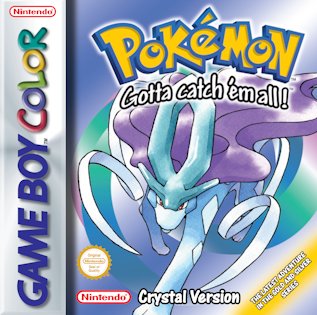
Pokémon Crystal
Game Boy ColorMainlineGen 2Pokémon Crystal — Enhanced Gold/Silver — animated sprites, Battle Tower, and Suicune-focused story additions. Animated sprites, Battle Tower, Suicune focus—definitive GBC Johto package.
- Overview
- First Pokémon title where the player picks their gender; Battle Tower and mobile adapter support in Japan. Enhanced Gold/Silver — animated sprites, Battle Tower, and Suicune-focused story additions.
- In-game setting
- Enhanced Gold/Silver — animated sprites, Battle Tower, and Suicune-focused story additions. Same Johto/Kanto arc as Gold/Silver with Crystal-only Eusine and Suicune scenes.
- Should you play it?
- Pick Crystal or Gold/Silver — not both unless you are a completionist. HeartGold/SoulSilver covers the story once. Pick Crystal or G/S once; HGSS still preferred on DS hardware.
- Release date
- US launch: July 29, 2001 (Game Boy Color). Confirm the Pokémon Crystal SKU for your region before buying.
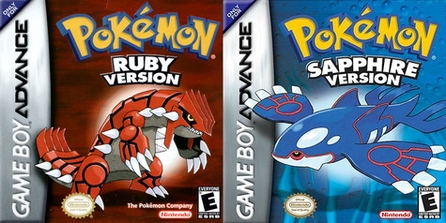
Pokémon Ruby / Sapphire
Game Boy AdvanceMainlineGen 3Pokémon Ruby / Sapphire — Hoenn reboot with abilities, natures, and double battles—no Gen 1–2 required.
- Overview
- Abilities, natures, double battles, and Secret Bases on the GBA — a mechanical reset that did not require playing Gen 1–2 first.
- In-game setting
- Team Magma vs Team Aqua and the Groudon/Kyogre conflict. Ruby and Sapphire differ by which Legendary and villain team is emphasized.
- Should you play it?
- Standalone story. Omega Ruby/Alpha Sapphire replace it on 3DS. Standalone; ORAS replaces it on 3DS. Current digital editions are usually easier than hunting original discs.
- Release date
- US launch: March 18, 2003 (Game Boy Advance). Confirm the Pokémon Ruby / Sapphire SKU for your region before buying.
 Preferred
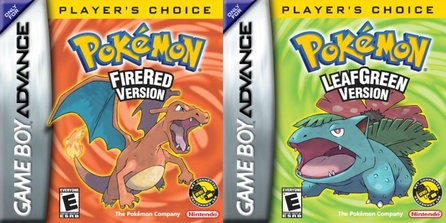
Pokémon FireRed / LeafGreen
Game Boy AdvanceRemakeGen 1Pokémon FireRed / LeafGreen — Kanto remade on GBA — same story as Red/Blue with Gen 3 mechanics and Sevii Islands.
- Overview
- Brought Kanto up to Gen 3 engines — abilities, natures, and wireless trading on compatible hardware. Kanto remade on GBA — same story as Red/Blue with Gen 3 mechanics and Sevii Islands.
- In-game setting
- Kanto remade on GBA — same story as Red/Blue with Gen 3 mechanics and Sevii Islands. Same Kanto League arc as the originals plus post-game Sevii Islands.
- Should you play it?
- Play this OR Red/Blue/Yellow for Kanto — not all three. One Kanto playthrough—FRLG OR originals OR Let's Go, not all. Remakes replace originals for most players—pick one edition per region story. Current digital editions are usually easier than hunting original discs.
- Release date
- US launch: September 9, 2004 (Game Boy Advance). Confirm the Pokémon FireRed / LeafGreen SKU for your region before buying.
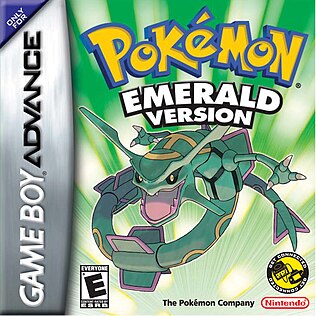
Pokémon Emerald
Game Boy AdvanceMainlineGen 3Pokémon Emerald (2005)—combined Ruby/Sapphire plots and added the Battle Frontier — still the fan-favorite Hoenn package on GBA.
- Overview
- Combined Ruby/Sapphire plots and added the Battle Frontier — still the fan-favorite Hoenn package on GBA. Key chapter in Pokémon Emerald—see Start Here for path priority.
- In-game setting
- combined Ruby/Sapphire plots and added the Battle Frontier — still the fan-favorite Hoenn package on GBA. You intervene between Magma and Aqua before Rayquaza quells the crisis.
- Should you play it?
- If you play one Hoenn game on GBA, Emerald is the usual pick. ORAS replaces the trio on 3DS. Best single GBA Hoenn; ORAS if you want 3DS Mega-era retelling. Remakes replace originals for most players—pick one edition per region story. Current digital editions are usually easier than hunting original discs.
- Release date
- US launch: May 1, 2005 (Game Boy Advance). Confirm the Pokémon Emerald SKU for your region before buying.
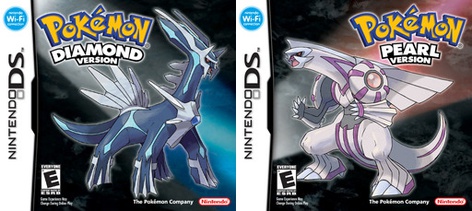
Pokémon Diamond / Pearl
Nintendo DSMainlineGen 4Pokémon Diamond / Pearl — Sinnoh debut—physical/special split and Wi-Fi trading go mainstream.
- Overview
- DS touch screen for Pokétch and underground mining; Wi-Fi trading went mainstream for the series. Sinnoh debut—physical/special split and Wi-Fi trading go mainstream.
- In-game setting
- Sinnoh debut—physical/special split and Wi-Fi trading go mainstream. Galactic Team and Dialga/Palkia. Diamond and Pearl differ by which Legendary anchors the version.
- Should you play it?
- Play after Legends: Arceus if you want historical Sinnoh context first — or jump to Brilliant Diamond/Shining Pearl. Or jump to Platinum, BDSP, or Legends: Arceus for tone (FAQ). Current digital editions are usually easier than hunting original discs.
- Release date
- US launch: April 22, 2007 (Nintendo DS). Confirm the Pokémon Diamond / Pearl SKU for your region before buying.
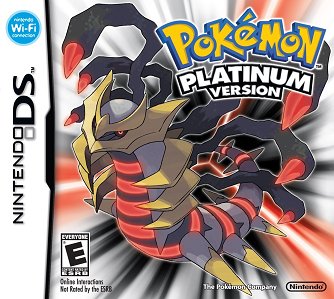
Pokémon Platinum
Nintendo DSMainlineGen 4Pokémon Platinum — Expanded Sinnoh — Distortion World, Giratina, and the Battle Frontier return.
- Overview
- Revised Galactic plot and the Distortion World — the usual definitive Gen 4 Sinnoh package on DS. Series craft here still shapes how fans describe later entries.
- In-game setting
- Expanded Sinnoh — Distortion World, Giratina, and the Battle Frontier return. Cyrus's plan escalates with Giratina's realm; Battle Frontier post-game.
- Should you play it?
- One Sinnoh story — Platinum OR Diamond/Pearl OR BDSP OR Legends: Arceus for tone (see the FAQ). Remakes replace originals for most players—pick one edition per region story. Current digital editions are usually easier than hunting original discs.
- Release date
- US launch: March 22, 2009 (Nintendo DS). Confirm the Pokémon Platinum SKU for your region before buying.
 Preferred
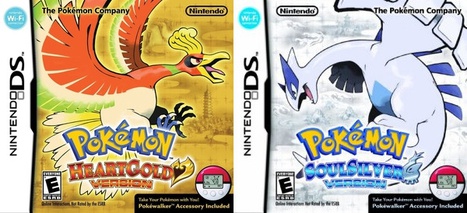
Pokémon HeartGold / SoulSilver
Nintendo DSRemakeGen 2Pokémon HeartGold / SoulSilver — Johto/Kanto remade — partner Pokémon follows you again. Johto/Kanto remake with walking Pokémon and Pokéwalker era charm.
- Overview
- Walking Pokémon return with Gen 4 mechanics, Pokéwalker accessory bundled at launch, and the Battle Frontier. Johto/Kanto remade — partner Pokémon follows you again.
- In-game setting
- Johto/Kanto remade — partner Pokémon follows you again. Johto/Kanto remake with walking Pokémon and Pokéwalker era charm. Same Johto-then-Kanto structure as Gold/Silver/Crystal — still the sequel to Kanto's first adventure.
- Should you play it?
- Best way to experience Gen 2 today if you have a DS family console. Remakes replace originals for most players—pick one edition per region story. Remasters and current storefront editions usually beat original hardware alone.
- Release date
- US launch: March 14, 2010 (Nintendo DS). Confirm the Pokémon HeartGold / SoulSilver SKU for your region before buying.
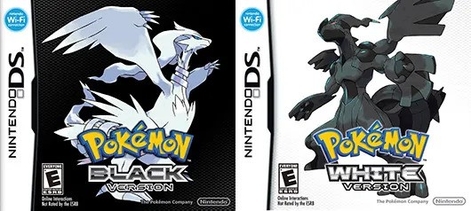
Pokémon Black / White
Nintendo DSMainlineGen 5Pokémon Black / White — Unova — seasonal cities, no old Pokémon in the main dex until post-game. Unova fresh-start dex and N’s liberation philosophy—story-forward mainline.
- Overview
- Fully new regional Pokédex until the National Dex unlocks; triple battles and Rotation battles debut. Unova — seasonal cities, no old Pokémon in the main dex until post-game.
- In-game setting
- Unova — seasonal cities, no old Pokémon in the main dex until post-game. Unova fresh-start dex and N’s liberation philosophy—story-forward mainline. N's arc and Team Plasma's liberation philosophy — among the most story-forward mainline entries.
- Should you play it?
- Required before Black 2/White 2 — the only numbered direct sequel within one generation (Gold/Silver is a cross-generation sequel to Kanto). Required before B2W2—only numbered same-gen sequel chain besides Johto’s cross-gen link.
- Release date
- US launch: March 6, 2011 (Nintendo DS). Confirm the Pokémon Black / White SKU for your region before buying.
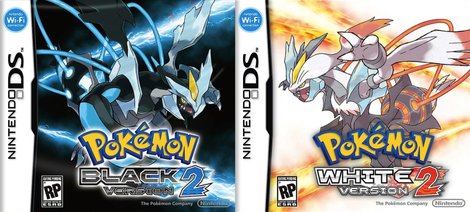
Pokémon Black 2 / White 2
Nintendo DSMainlineGen 5Pokémon Black 2 / White 2 — Unova sequel — first numbered follow-up in the same generation. Unova +2 years—new routes, PWT, Challenge Mode, continued Plasma fallout.
- Overview
- Same region rebuilt two years later with new routes, Pokémon World Tournament, and Challenge Mode. Unova sequel — first numbered follow-up in the same generation.
- In-game setting
- Unova sequel — first numbered follow-up in the same generation. Unova +2 years—new routes, PWT, Challenge Mode, continued Plasma fallout. Continues N and Team Plasma threads from Black/White with a new protagonist.
- Should you play it?
- Play only after finishing Black or White — not a standalone entry. Remakes replace originals for most players—pick one edition per region story. Current digital editions are usually easier than hunting original discs.
- Release date
- US launch: October 7, 2012 (Nintendo DS). Confirm the Pokémon Black 2 / White 2 SKU for your region before buying.
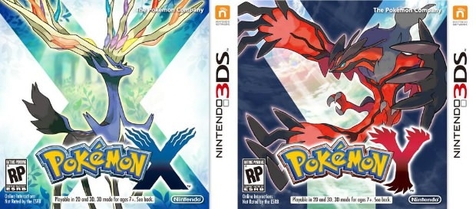
Pokémon X / Y
Nintendo 3DSMainlineGen 6Pokémon X / Y — Kalos — Mega Evolution and fully 3D battles on 3DS. Kalos Mega Evolution and Fairy type—first same-day worldwide mainline launch.
- Overview
- Mega Evolution, Fairy type, and camera-controlled overworld on 3DS — the first mainline Pokémon launch worldwide on the same day (October 12, 2013).
- In-game setting
- Team Flare and the ultimate weapon; Lumiose returns in Legends: Z-A. Kalos-era screen extras: Pokémon movies and Pokémon anime.
- Should you play it?
- Standalone Kalos; Legends: Z-A revisits Lumiose later. Legends: Z-A returns to Lumiose years later (see the FAQ).
- Release date
- US launch: October 12, 2013 (Nintendo 3DS). Confirm the Pokémon X / Y SKU for your region before buying.
 Preferred
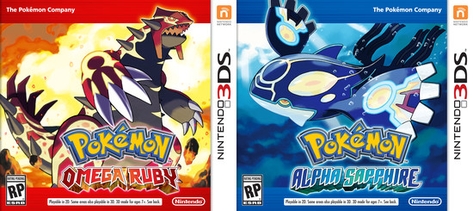
Pokémon Omega Ruby / Alpha Sapphire
Nintendo 3DSRemakeGen 3Pokémon Omega Ruby / Alpha Sapphire — Hoenn remade with Mega Evolution and soaring on Latios/Latias. Hoenn remade with Mega/Primal spectacle and Delta Episode epilogue.
- Overview
- Primal Groudon/Kyogre and DexNav searching — Hoenn plot with Gen 6 battle systems. Hoenn remade with Mega Evolution and soaring on Latios/Latias.
- In-game setting
- Hoenn remade with Mega Evolution and soaring on Latios/Latias. Hoenn remade with Mega/Primal spectacle and Delta Episode epilogue. Same Magma/Aqua conflict as Ruby/Sapphire/Emerald with expanded epilogue (Delta Episode).
- Should you play it?
- Hoenn remake — pick ORAS OR original RSE/Emerald, not both for story. Remakes replace originals for most players—pick one edition per region story. Current digital editions are usually easier than hunting original discs.
- Release date
- US launch: November 21, 2014 (Nintendo 3DS). Confirm the Pokémon Omega Ruby / Alpha Sapphire SKU for your region before buying.
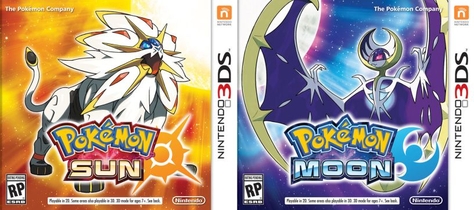
Pokémon Sun / Moon
Nintendo 3DSMainlineGen 7Pokémon Sun / Moon (2016)—no traditional gyms — Island Kahunas and trials structure the campaign; Rotom Dex and SOS battles.
- Overview
- No traditional gyms — Island Kahunas and trials structure the campaign; Rotom Dex and SOS battles. Key chapter in Pokémon Sun / Moon—see Start Here for path priority.
- In-game setting
- no traditional gyms — Island Kahunas and trials structure the campaign; Rotom Dex and SOS battles. Aether Foundation and Lillie's arc with Nebby; Sun/Moon differ by time offset and version Legendaries.
- Should you play it?
- Play before Ultra Sun/Moon if you want the original Alola story first. Original Alola before choosing Ultra retelling instead. Remakes replace originals for most players—pick one edition per region story. Remasters and current storefront editions usually beat original hardware alone.
- Release date
- US launch: November 18, 2016 (Nintendo 3DS). Confirm the Pokémon Sun / Moon SKU for your region before buying.
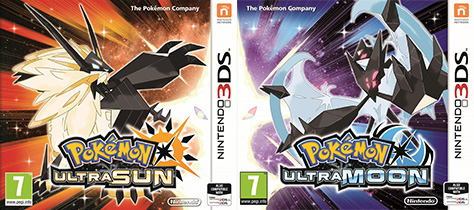
Pokémon Ultra Sun / Ultra Moon
Nintendo 3DSMainlineGen 7Pokémon Ultra Sun / Ultra Moon — Alternate Alola retelling — Necrozma focus and expanded Ultra Recon Squad plot. Alternate Alola with heavier Necrozma—enhanced path, not a tiny B2W2-style sequel.
- Overview
- Reworked story beats and Ultra Warp Ride — an enhanced version rather than a small sequel like B2W2. Alternate Alola retelling — Necrozma focus and expanded Ultra Recon Squad plot.
- In-game setting
- Alternate Alola retelling — Necrozma focus and expanded Ultra Recon Squad plot. Alternate timeline take on Alola with heavier Necrozma integration.
- Should you play it?
- Pick Sun/Moon OR Ultra Sun/Moon for one Alola playthrough — USUM replaces SM for many newcomers. Current digital editions are usually easier than hunting original discs.
- Release date
- US launch: November 17, 2017 (Nintendo 3DS). Confirm the Pokémon Ultra Sun / Ultra Moon SKU for your region before buying.
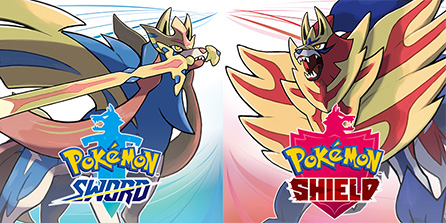
Pokémon Sword / Shield
Nintendo SwitchMainlineGen 8Pokémon Sword / Shield — Galar Wild Area raids and Dynamax—first Switch mainline stadium fantasy.
- Overview
- First mainline on Switch; Wild Area co-op raids and Dynamax/Gigantamax battles. Galar Wild Area raids and Dynamax—first Switch mainline stadium fantasy.
- In-game setting
- Gym Challenge and Chairman Rose's Eternatus crisis. Isle of Armor and Crown Tundra expansions shipped separately in 2020.
- Should you play it?
- Standalone Galar story. Isle of Armor and Crown Tundra expansions are optional post-game content covered in the FAQ. Remasters and current storefront editions usually beat original hardware alone. Current digital editions are usually easier than hunting original discs.
- Release date
- US launch: November 15, 2019 (Nintendo Switch). Confirm the Pokémon Sword / Shield SKU for your region before buying.
 Preferred
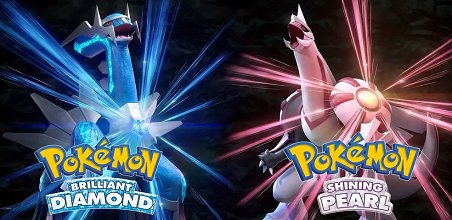
Pokémon Brilliant Diamond / Shining Pearl
Nintendo SwitchRemakeGen 4Pokémon Brilliant Diamond / Shining Pearl — Sinnoh remade — chibi style, faithful Diamond/Pearl structure. Chibi-faithful Diamond/Pearl remake—Underground returns, not Legends action.
- Overview
- Faithful remake of Diamond/Pearl on Switch — Underground returns; battle style differs from Legends: Arceus. Sinnoh remade — chibi style, faithful Diamond/Pearl structure.
- In-game setting
- Sinnoh remade — chibi style, faithful Diamond/Pearl structure. Chibi-faithful Diamond/Pearl remake—Underground returns, not Legends action. Same modern Sinnoh League arc as 2007 originals.
- Should you play it?
- Sinnoh remake OR Legends: Arceus OR DS originals — three different takes on Sinnoh (see the FAQ). Sinnoh remake lane beside LA’s historical take—pick a tone (FAQ). Remakes replace originals for most players—pick one edition per region story.
- Release date
- US launch: November 19, 2021 (Nintendo Switch). Confirm the Pokémon Brilliant Diamond / Shining Pearl SKU for your region before buying.
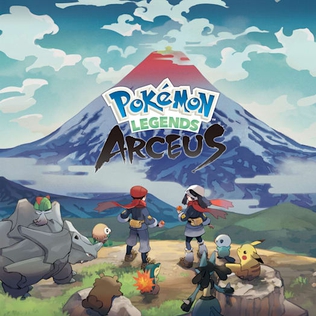
Pokémon Legends: Arceus
Nintendo SwitchMainlineLegendsPokémon Legends: Arceus (2022)—real-time catching and battler hybrid in open zones — the first Legends-style mainline game.
- Overview
- Real-time catching and battler hybrid in open zones — the first Legends-style mainline game. Key chapter in Pokémon Legends: Arceus—see Start Here for path priority.
- In-game setting
- Set long before Diamond/Pearl in the same land (Hisui → Sinnoh). Explains early Poké Ball craft and noble Pokémon.
- Should you play it?
- Play before BDSP or Diamond/Pearl if you want historical context — not required for the League plot. Hisui prequel before modern Sinnoh League entries. Remasters and current storefront editions usually beat original hardware alone.
- Release date
- US launch: January 28, 2022 (Nintendo Switch). Confirm the Pokémon Legends: Arceus SKU for your region before buying.
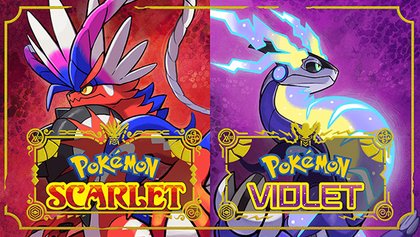
Pokémon Scarlet / Violet
Nintendo SwitchMainlineGen 9Open worldPokémon Scarlet / Violet — Paldea — fully open-world mainline with three story paths and Terastallizing.
- Overview
- Open-world structure with Koraidon/Miraidon traversal; three parallel story arcs (Victory Road, Starfall Street, Path of Legends).
- In-game setting
- Paldea — fully open-world mainline with three story paths and Terastallizing. Academy life in Paldea; version mascots differ between Scarlet and Violet.
- Should you play it?
- Strong modern entry point. Finish the base game before The Teal Mask and The Indigo Disk expansions. Strong modern start. Remasters and current storefront editions usually beat original hardware alone. Current digital editions are usually easier than hunting original discs.
- Release date
- US launch: November 18, 2022 (Nintendo Switch). Confirm the Pokémon Scarlet / Violet SKU for your region before buying.
The Teal Mask & The Indigo Disk
Nintendo SwitchExpansionGen 9The Teal Mask & The Indigo Disk — Scarlet/Violet expansion pass — Kitakami and Blueberry Academy. Kitakami Teal Mask then Blueberry Indigo Disk—linked epilogue after base arcs.
- Overview
- Two-part expansion: The Teal Mask (September 2023) then The Indigo Disk (December 2023) with a linked epilogue.
- In-game setting
- Scarlet/Violet expansion pass — Kitakami and Blueberry Academy. Kitakami Teal Mask then Blueberry Indigo Disk—linked epilogue after base arcs. Continues the Scarlet/Violet protagonist's journey — play after the base game main arcs.
- Should you play it?
- Not standalone — finish Scarlet/Violet first. Requires finished Scarlet/Violet; not a new region RPG solo purchase.
- Release date
- Indigo Disk US release: December 14, 2023; requires Scarlet or Violet base game. Indigo Disk US December 14, 2023; Teal Mask shipped earlier the same year.
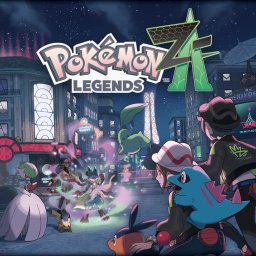
Pokémon Legends: Z-A
Nintendo SwitchSwitch 2MainlineLegendsPokémon Legends: Z-A — Lumiose City rebuilt — real-time battles and Mega Evolution return.
- Overview
- Single-city open structure with real-time combat — a sequel in spirit to Legends: Arceus but urban and Kalos-linked.
- In-game setting
- Set in Lumiose City during a redevelopment era; Z-A Royale ranked battles at night. ~Five years after X/Y in guides; vs Paldea order unconfirmed.
- Should you play it?
- Latest mainline-style entry; Mega Dimension DLC follows. Mega Dimension DLC shipped December 2025. Current digital editions are usually easier than hunting original discs.
- Release date
- US launch: October 16, 2025 (Switch and Switch 2; upgrade pack available).
Pokémon Legends: Z-A — Mega Dimension
Nintendo SwitchSwitch 2ExpansionLegendsPokémon Legends: Z-A — Mega Dimension — Mega Dimension Hoopa/Mega extras—paid epilogue, not a new region cart.
- Overview
- Adds Mega Dimension story content and additional Mega Evolutions after the base campaign. Series craft here still shapes how fans describe later entries.
- In-game setting
- Mega Dimension Hoopa/Mega extras—paid epilogue, not a new region cart. Requires Legends: Z-A base game — epilogue-scale expansion, not a new region RPG.
- Should you play it?
- Optional after finishing Legends: Z-A. Optional after Z-A credits. Remakes replace originals for most players—pick one edition per region story. Current digital editions are usually easier than hunting original discs.
- Release date
- US December 10, 2025—requires base Legends: Z-A. Platforms: Nintendo Switch, Switch 2.
FAQ
Where to start, overlapping regions, remakes, and why there is no single official story timeline.
Release order
Release order is when each game launched in the US—the order collectors and historians use. Story order groups mainline RPGs by region: Red/Blue and Ruby/Sapphire share one broad era; Gold/Silver comes about three years later; Sinnoh may overlap Johto (see the FAQ). Later regions mostly line up one after another (Unova → Alola → Galar → the modern era). Pokémon does not have one continuous worldwide plot like Fallout or Zelda. Release order helps you buy and play; story order shows how regions relate and confirmed year gaps within each group.
Story & regions
No single global timeline ties every game together. Series producer Junichi Masuda has said Game Freak does not apply a strict timeline to the Pokémon world. Most games star a new hero in a new region. Direct links exist (Gold/Silver three years after Red/Blue, Black 2/White 2 two years after Black/White, Legends: Arceus before modern Sinnoh), and early regions run in parallel. Story order shows those relationships by region—not an official calendar.
Overlapping regions
Most fan timelines place Pokémon Red/Blue and Ruby/Sapphire in the same broad era—separate heroes, not a sequel chain. Gold/Silver follow Kanto about three years later. Modern Sinnoh (Diamond/Pearl) may overlap that Johto window, but in-game dialogue between Jasmine and Cynthia conflicts. Hoenn and Sinnoh are grouped separately so you do not read them as strictly before or after each other.
Remakes & Legends
Other timelines
Mystery Dungeon — Rescue Team through Super and Rescue Team DX only. Best if you want roguelike dungeons, not open-world RPGs.
Spin-off games — Snap, Stadium, Orre, Ranger, Conquest, Let's Go, and similar side games. Best for photography, battle arenas, or one-off adventures outside the main series.
Anime watch order — TV story arcs from Kanto through Horizons (one entry per arc, not every episode). Best for bingeing Ash's journey or starting with Horizons.
Movies — theatrical films in US release order. Best after the matching TV arc, or as stand-alone extras.
TCG video games — Game Boy Color, Online, Live, and Pocket digital clients—not paper booster sets.
Mobile games (GO, Unite, Masters, Sleep) have no fixed timeline here; see spin-offs FAQ.
Optional & spin-offs
More timelines
Other release-order and story-order guides on this site.
- Game series
Pokémon Mystery Dungeon
Pokémon Mystery Dungeon games in US release and play order (2005–2020)—Rescue Team…
- Game series
Pokémon Spin-Offs
Pokémon spin-off games in US release order (1999–2021)—Snap, Stadium, Orre, Ranger,…
- Media
Pokémon Anime
Pokémon TV anime in US watch order (1998–2025)—Ash's classic arcs through Journeys and…
- Media
Pokémon Films
Pokémon theatrical films in US watch order (1999–2021)—Mewtwo Strikes Back through…
- Game series
Pokémon TCG Games
Pokémon Trading Card Game video games in US release order (1999–2024)—Game Boy Color,…
- Consoles
Nintendo consoles
All Nintendo consoles in US release order (1985–2025)—NES through Switch 2, Game Boy,…
- Game series
Animal Crossing
Animal Crossing games in order (2002–2020)—GameCube through New Horizons, remakes,…
- Game series
Splatoon
Splatoon games in order (2015–2022)—Wii U through Splatoon 3, Octo Expansion and Side…
- Game series
Super Smash Bros.
Super Smash Bros games in order (1999–2018)—N64 through Ultimate, separate 3DS/Wii U…