
Release & story order
Diablo games in order
Diablo games in order—Sanctuary chronology, expansion placement, Resurrected remasters, and Immortal FAQ. Diablo from the 1996 cathedral crawl through Diablo II, Lord of Destruction, Diablo III, Reaper of Souls, and Diablo IV (2023)—US release dates, Sanctuary story chronology, Resurrected remasters, and FAQ for Diablo Immortal and skip guides.
Pick your path:
Where to start
Pick Full saga for Sanctuary mainline including Lord of Destruction and Reaper of Souls expansions—required story, not optional DLC skips.
- Diablo IV continues after Reaper of Souls—play RoS before IV
- Diablo Immortal is FAQ-only live service between D2 and D3
- Resurrected replaces D2 hardware—same story slot
Release order
When Blizzard shipped each chapter—Diablo (1996), Diablo II and Lord of Destruction (2000–2001), Diablo III and Reaper of Souls (2012–2014), then Diablo IV (2023). Diablo Immortal (2022) and Diablo II: Resurrected / Eternal Collection bundles are optional—not extra mainline release-order titles beyond listed expansions.
- Newcomers → Diablo IV alone, or full saga from Diablo II: Resurrected
- Classic path → Diablo → D2 + LoD → D3 + RoS → Diablo IV
- Skip Diablo 1 only if you accept lost Tristram context—D2 still works
- Diablo Immortal optional—mobile/PC live service between D2 and D3
Story order tips
Sanctuary saga in fiction: Diablo → Diablo II → Lord of Destruction → Diablo III → Reaper of Souls → Diablo IV. Release and story order match for the main numbered arc. Diablo Immortal fills gaps between D2 and D3—optional live-service chapter in FAQ.
- Core canon: Diablo → Diablo II → Lord of Destruction → Diablo III → Reaper of Souls → Diablo IV
- Lord of Destruction is required D2 story—play before Diablo III
- Reaper of Souls fixes D3 ending—play before Diablo IV for continuity
- On Story order, later entries may be hidden—reveal when ready or use Show all spoilers
Story order
Sanctuary saga in fiction: Diablo → Diablo II → Lord of Destruction → Diablo III → Reaper of Souls → Diablo IV. Release and story order match for the main numbered arc. Diablo Immortal fills gaps between D2 and D3—optional live-service chapter in FAQ.
- Core canon: Diablo → Diablo II → Lord of Destruction → Diablo III → Reaper of Souls → Diablo IV
- Lord of Destruction is required D2 story—play before Diablo III
- Reaper of Souls fixes D3 ending—play before Diablo IV for continuity
- On Story order, later entries may be hidden—reveal when ready or use Show all spoilers
Timeline
When each game was released. Click a game for platforms, dates, and where it fits in your playthrough.
Release order
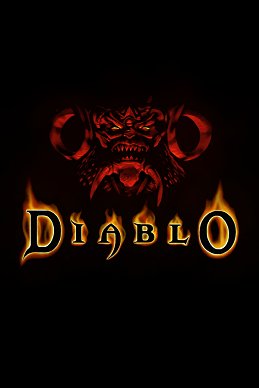
Diablo
PCAction RPGMainlineDiablo (1996) traps three heroes beneath Tristram's cathedral—Blizzard North's isometric horror ARPG that coined the click-loot loop. Release tab year here is 1996.
- Overview
- Random dungeons, hotkey spells, and gothic audio defined PC action-RPG grammar later echoed across the genre. Diablo (1996) traps three heroes beneath Tristram's cathedral—Blizzard North's isometric horror ARPG that coined the click-loot loop.
- In-game setting
- Sanctuary saga origin—Diablo's soulstone plot. Short campaign; lore purists still start here before Diablo II.
- Should you play it?
- Story and Release opener. Skip only if jumping straight to Diablo II with a lore primer. Tone cousins: Doom.
- Release date
- US PC December 31, 1996; later Battle.net/GOG reissues.
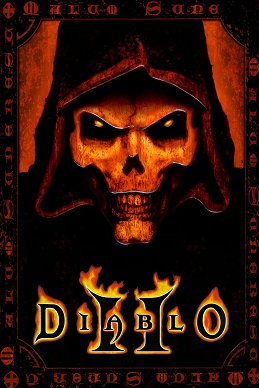
Diablo II
PCMacAction RPGMainlineDiablo II expands Sanctuary across Acts—chase the Prime Evils through deserts, jungles, and Hell in the genre's long benchmark. Release tab year here is 2000.
- Overview
- Act hubs, hirelings, skills trees, and trade culture that dominated PC ARPGs for decades. Diablo II expands Sanctuary across Acts—chase the Prime Evils through deserts, jungles, and Hell in the genre's long benchmark.
- In-game setting
- Diablo II expands Sanctuary across Acts—chase the Prime Evils through deserts, jungles, and Hell in the genre's long benchmark. Continues after Diablo. Incomplete without Lord of Destruction—buy/play the expansion.
- Should you play it?
- Many fans' favorite chapter. Pair with LoD before Diablo III. Follow Start Here if you want the shortest 2026 checklist that still includes this chapter.
- Release date
- US June 29, 2000; Diablo II: Resurrected (2021) is the modern way in—FAQ. Platforms called out for this beat: PC, Mac.
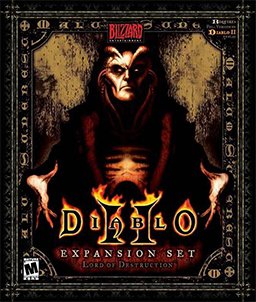
Diablo II: Lord of Destruction
PCMacExpansionMainlineDiablo II: Lord of Destruction adds Act V, Harrogath, and Ba'al's siege—plus Assassin and Druid classes. Release tab year here is 2001.
- Overview
- Rune words, mercenary overhaul, and the Worldstone climax that sets up later games. Sequel debates still measure new games against what Diablo II: Lord of Destruction established.
- In-game setting
- Diablo II: Lord of Destruction adds Act V, Harrogath, and Ba'al's siege—plus Assassin and Druid classes. Mandatory D2 finale before Diablo III. Bundled in Resurrected/Battle Chest packs.
- Should you play it?
- Never skip on story order—base Diablo II alone leaves Ba'al unresolved. Treat Diablo II: Lord of Destruction as required story only when Start Here or FAQ marks the expansion as mandatory.
- Release date
- US June 27, 2001 (PC/Mac). Platforms called out for this beat: PC, Mac.
Diablo III
PCMacPS3Xbox 360Action RPGMainlineDiablo III jumps ~twenty years—Leah, Adria, and the falling star reopen Heaven vs Hell war. Release tab year here is 2012.
- Overview
- Always-online launch era, rune skills, and later Adventure Mode via Reaper of Souls. Sequel debates still measure new games against what Diablo III established.
- In-game setting
- Post-Worldstone fiction. Campaign ending was revised by RoS—play the expansion. Diablo III jumps ~twenty years—Leah, Adria, and the falling star reopen Heaven vs Hell war.
- Should you play it?
- Treat base+RoS as one story block before Diablo IV. Follow Start Here if you want the shortest 2026 checklist that still includes this chapter.
- Release date
- US May 15, 2012; consoles and Eternal Collection followed. Platforms called out for this beat: PC, Mac, PS3, Xbox 360.
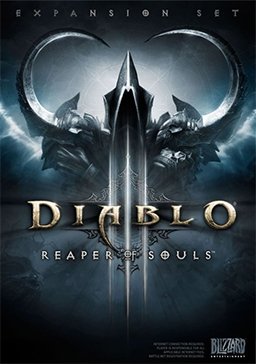
Diablo III: Reaper of Souls
PCMacPS4Xbox OneExpansionMainlineReaper of Souls sends Malthael against Westmarch—Crusader class, loot 2.0, and the Pandemonium finale. Release tab year here is 2014.
- Overview
- Expansion that repaired Diablo III's endgame and locked the canonical closing act. Sequel debates still measure new games against what Diablo III: Reaper of Souls established.
- In-game setting
- Required bridge into Diablo IV's Lilith era. Included in Ultimate/Eternal editions. Reaper of Souls sends Malthael against Westmarch—Crusader class, loot 2.0, and the Pandemonium finale.
- Should you play it?
- Do not jump from base D3 campaign straight to IV without RoS. Treat Diablo III: Reaper of Souls as required story only when Start Here or FAQ marks the expansion as mandatory.
- Release date
- US March 25, 2014. Platforms called out for this beat: PC, Mac, PS4, Xbox One.
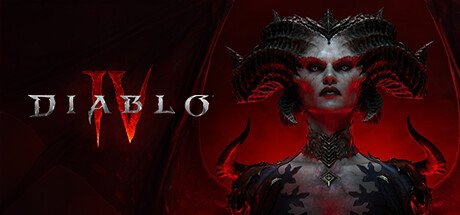
Diablo IV
PCPS4PS5Xbox OneXbox Series X|SAction RPGMainlineDiablo IV returns to shared gothic Sanctuary—Lilith, open zones, and seasonal live-service on top of a campaign. Release tab year here is 2023.
- Overview
- Seamless world, mounts, and class fantasy tuned for cross-play modern platforms. Diablo IV returns to shared gothic Sanctuary—Lilith, open zones, and seasonal live-service on top of a campaign.
- In-game setting
- Diablo IV returns to shared gothic Sanctuary—Lilith, open zones, and seasonal live-service on top of a campaign. Current mainline endpoint as of 2026. Seasonal epilogues stay FAQ-level detail.
- Should you play it?
- Play after RoS for continuity. Dark fantasy neighbors: Elder Scrolls, Witcher. Follow Start Here if you want the shortest 2026 checklist that still includes this chapter.
- Release date
- US June 6, 2023 (PC/console); Steam timing FAQ. Platforms called out for this beat: PC, PS4, PS5, Xbox One, Xbox Series X|S.
FAQ
Release vs story order, expansion placement, Immortal, Resurrected remasters, and where to start.
Release order
For the numbered Sanctuary saga, release and story order align: Diablo (1996) → Diablo II (2000) → Lord of Destruction (2001) → Diablo III (2012) → Reaper of Souls (2014) → Diablo IV (2023). Expansions LoD and RoS are mainline entries—not optional side content. Diablo Immortal (2022) is optional—parallel online chapter between D2 and D3.
Quick entry: Diablo IV standalone—dark ARPG on modern platforms. Full saga: Diablo → Diablo II: Resurrected (includes LoD) → Diablo III Eternal Collection (includes RoS) → Diablo IV. Skip Diablo 1 only if you accept missing Tristram origin. Avoid Immortal unless you want mobile-style live service lore.
Story & lore
Remasters & editions
Optional & online
Diablo Immortal (June 2022) is a free-to-play online ARPG set between Diablo II and Diablo III—optional, not a mainline release-order title. It fills lore gaps with side characters but requires grinding and microtransactions. Skip for canon playthroughs; play only if you want that era's side stories.
More timelines
Other release-order and story-order guides on this site.
- Game series
DOOM
DOOM release and story order (1993–2025)—classic id Software through Doom Slayer, Doom…
- Game series
The Elder Scrolls
Elder Scrolls release and Tamriel story order (1994–2019), DLC placement, and classic…
- Game series
Fallout
Fallout release and story order (1997–2018), in-universe chronology, DLC placement,…
- Game series
Warcraft
Warcraft RTS and World of Warcraft expansion order (1994–2026)—Orcs & Humans through…
- Game series
The Witcher
The Witcher release and story order (2008–2018)—Geralt trilogy, Thronebreaker, books…