
Release & story order
Elder Scrolls games in order
Elder Scrolls games in order and TES timeline—Tamriel story years, ESO placement, and US release dates FAQ. Every Elder Scrolls game by release date or in-story order—from Arena and Morrowind to Skyrim and ESO—with notes on what to skip and when to play each expansion. Release covers ship dates: When each game was released. ESO is earliest in the story but sits in the middle of this list — pick a classic or modern path below. Story follows fiction: When events happened inside Tamriel. Use Start Here and Essentials for a 2026 default path; FAQ covers remasters, spin-offs, and skip costs.
Pick your path:
Where to start
Pick Modern path for Skyrim-first (then Oblivion and Morrowind if you want backstory), or Classic path from Arena through Skyrim. ESO, DLC, and Travels spin-offs stay on the full list—use Hide optional / Hide expansions to trim.
- Modern: Skyrim Special Edition is the preferred PC/console buy—see FAQ
- Classic: you can skip Arena and Daggerfall unless you want every Septim beat
- Play each game's major expansions after its main quest (Tribunal, Shivering Isles, Dragonborn…)
- ESO is optional lore—earliest in Story order but mid-list in Release
Release order
When each game was released. ESO is earliest in the story but sits in the middle of this list — pick a classic or modern path below. You don't need every side game.
- Modern path → Skyrim → ESO (optional) or Morrowind → Oblivion → Skyrim
- Classic path → Arena → Daggerfall → Morrowind → Oblivion → Skyrim → ESO optional
- Play each game's expansions after the main story (Tribunal, Shivering Isles, Dragonborn…)
- Side games (Shadowkey, Battlespire, Redguard, Legends, Blades) — all optional
Story order tips
When events happened inside Tamriel. ESO is the earliest; Skyrim is the latest offline game — with the Red Year and the Great War between Oblivion and Skyrim.
- Full story order: ESO → Redguard → Arena → Shadowkey → Battlespire → Daggerfall → Morrowind → Oblivion → Red Year → Great War → Skyrim
- Red Year and Great War explain Skyrim's civil war — they are not separate games to buy
- Side games with shaky dates (Stormhold, Isle of Madness)—optional
- ESO may start you in the newest chapter; that's not story order—answered in the questions below
Story order
When events happened inside Tamriel. ESO is the earliest; Skyrim is the latest offline game — with the Red Year and the Great War between Oblivion and Skyrim.
- Full story order: ESO → Redguard → Arena → Shadowkey → Battlespire → Daggerfall → Morrowind → Oblivion → Red Year → Great War → Skyrim
- Red Year and Great War explain Skyrim's civil war — they are not separate games to buy
- Side games with shaky dates (Stormhold, Isle of Madness)—optional
- ESO may start you in the newest chapter; that's not story order—answered in the questions below
Timeline
When each game was released. Click a game for platforms, dates, and where it fits in your playthrough.
Release order
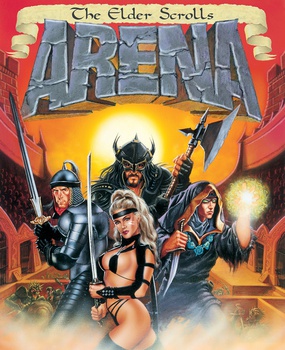
The Elder Scrolls: Arena
PCRPGClassicThe first Elder Scrolls — continent-spanning quest to rescue the Emperor. It remains a key Release marker for PC (1994) and how players discuss where to start.
- Overview
- Open-world fantasy RPG across all of Tamriel with day-night cycles and first-person dungeon crawling — ambitious for 1994 PC hardware.
- In-game setting
- Story late 3E (~3E 389–399): the Eternal Champion hunts Imperial battlemages to free Uriel Septim VII. Establishes the Empire and Daedric threats.
- Should you play it?
- Dated controls and procedural dungeons — most newcomers start at Morrowind or Skyrim. Useful for Emperor/Septim lore context.
- Release date
- US PC launch March 25, 1994. Later offered as a free PC download. Prefer current digital editions when the original release is awkward to run.
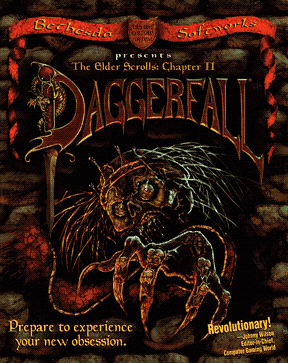
The Elder Scrolls II: Daggerfall
PCRPGClassicMassive procedurally generated Iliac Bay — political factions and Daedric princes. It remains a key Release marker for PC (1996) and how players discuss where to start.
- Overview
- One of the largest game worlds of its era (15,000+ sq miles claimed), with deep faction reputation, spell creation, and multiple endings.
- In-game setting
- Story 3E 405–417: Agent of the Emperor uncovers the Mantella, Numidium, and the Warp in the West — events still referenced in later games and ESO.
- Should you play it?
- Classic only — skip unless you want every 3E beat. Morrowind onward is the usual entry point. Follow Start Here if you want the shortest 2026 checklist that still includes this chapter.
- Release date
- US PC launch August 31, 1996. Free on PC today. Shipped around 1996 on PC; prefer current digital editions when originals are awkward.
 Optional
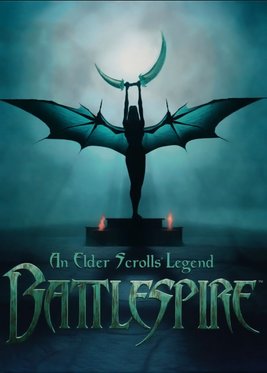
An Elder Scrolls Legend: Battlespire
PCSpin-offOptionalDungeon crawl on an Imperial battlemage academy — optional side story. It remains a key Release marker for PC (1997) and how players discuss where to start.
- Overview
- Linear action-focused spin-off instead of open-world RPG — Mehrunes Dagon invades the Battlespire pocket realm.
- In-game setting
- Story 3E 398: during Jagar Tharn's Imperial Simulacrum (3E 389–399), an apprentice is sent to the Battlespire after Mehrunes Dagon seizes the academy. Daedric lore tie-in only.
- Should you play it?
- Optional — skip for a lean playthrough. Not required for Morrowind or later mainline games. Follow Start Here if you want the shortest 2026 checklist that still includes this chapter.
- Release date
- US PC launch December 2, 1997 (batch shipments through early December; some sources cite Dec 5).
 Optional
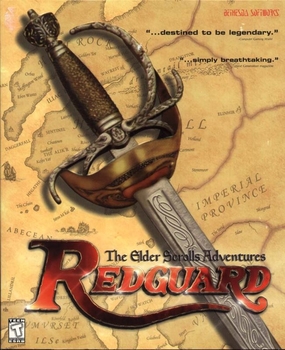
The Elder Scrolls Adventures: Redguard
PCAction-adventureOptionalStylized pirate adventure on Stros M'Kai — Cyrus vs an undead threat. It remains a key Release marker for PC (1998) and how players discuss where to start.
- Overview
- Third-person action instead of RPG — fixed hero Cyrus, sword combat, and a tighter linear story on Hammerfell's island.
- In-game setting
- Story 2E 864: between Tiber Septim's conquest beats. Introduces Cyrus and Hammerfell context referenced in ESO and lore books.
- Should you play it?
- Optional side story — play after ESO in lore order if you want every Hammerfell branch; skip otherwise. Follow Start Here if you want the shortest 2026 checklist that still includes this chapter.
- Release date
- US PC launch October 31, 1998. Shipped around 1998 on PC; prefer current digital editions when originals are awkward.
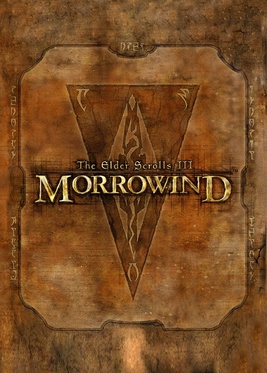
The Elder Scrolls III: Morrowind
PCXboxRPGClassicVvardenfell and the Nerevarine prophecy — the series' breakthrough into mainstream RPG culture. It remains a key Release marker for PC, Xbox (2002) and how players discuss where to start.
- Overview
- Hand-crafted open world, no level scaling, and dense lore via in-game books. Tribunal and Bloodmoon expansions extend the same year.
- In-game setting
- Story 3E 427: the Nerevarine confronts Dagoth Ur and the Tribunal on Vvardenfell. Defines Dunmer culture and the Heart of Lorkhan plot.
- Should you play it?
- Strong classic entry — or start at Skyrim for modern comfort, then backtrack here for deepest lore. Follow Start Here if you want the shortest 2026 checklist that still includes this chapter.
- Release date
- Xbox US launch May 5, 2002; PC followed days later. Game of the Year Edition bundled both expansions.
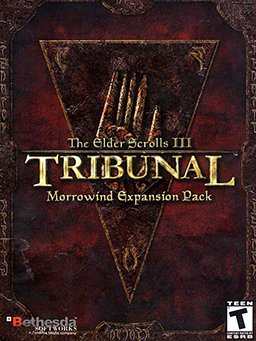
Morrowind — Tribunal
PCXboxExpansionExpansionReturn to Mournhold — Almalexia, Sotha Sil, and Vivec's crisis. It remains a key Release marker for PC, Xbox (2002) and how players discuss where to start.
- Overview
- Adds Mournhold city dungeons and a darker political twist on the Tribunal gods you met in the base game. Return to Mournhold — Almalexia, Sotha Sil, and Vivec's crisis.
- In-game setting
- Return to Mournhold — Almalexia, Sotha Sil, and Vivec's crisis. Story still 3E 427 — set after the main Nerevarine quest. Play after beating Dagoth Ur.
- Should you play it?
- Essential if you finish Morrowind's main plot — short but lore-heavy. Slot Morrowind — Tribunal per this tab; remasters beat original hardware for most newcomers.
- Release date
- US PC launch November 6, 2002. Shipped around 2002 on PC, Xbox; prefer current digital editions when originals are awkward.
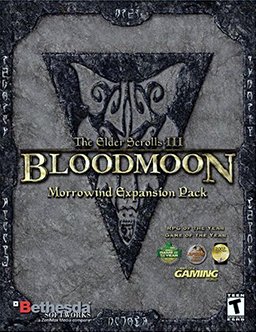
Morrowind — Bloodmoon
PCXboxExpansionExpansionSolstheim werewolves and Hircine's hunt — northern island expansion. It remains a key Release marker for PC, Xbox (2003) and how players discuss where to start.
- Overview
- Introduces Solstheim (later shared with Skyrim's Dragonborn DLC) and lycanthropy as a major gameplay system. Solstheim werewolves and Hircine's hunt — northern island expansion.
- In-game setting
- Solstheim werewolves and Hircine's hunt — northern island expansion. Story 3E 427 — parallel to Tribunal events. Play after the main campaign; order vs Tribunal is flexible.
- Should you play it?
- Recommended after Morrowind base game. Either expansion order works. Slot Morrowind — Bloodmoon per this tab; remasters beat original hardware for most newcomers.
- Release date
- US PC launch June 4, 2003. Shipped around 2003 on PC, Xbox; prefer current digital editions when originals are awkward.
 Optional
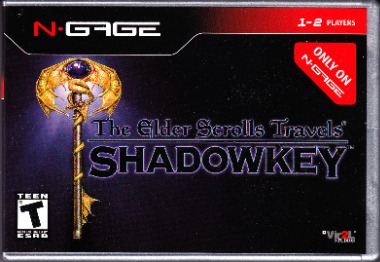
The Elder Scrolls Travels: Shadowkey
N-GageMobileOptionalN-Gage action RPG — optional side story between Arena and Battlespire in lore time. It remains a key Release marker for N-Gage (2004) and how players discuss where to start.
- Overview
- Part of the short-lived Travels series on Nokia N-Gage — dungeon crawling with a Shadowkey artifact plot. N-Gage action RPG — optional side story between Arena and Battlespire in lore time.
- In-game setting
- N-Gage action RPG — optional side story between Arena and Battlespire in lore time. Story 3E 397: set during the Imperial Simulacrum era, between Arena (389+) and Battlespire (398).
- Should you play it?
- Optional — skip unless you want every Travels spin-off. Not required for Morrowind onward. Follow Start Here if you want the shortest 2026 checklist that still includes this chapter.
- Release date
- US N-Gage launch November 9, 2004. Shipped around 2004 on N-Gage; prefer current digital editions when originals are awkward.
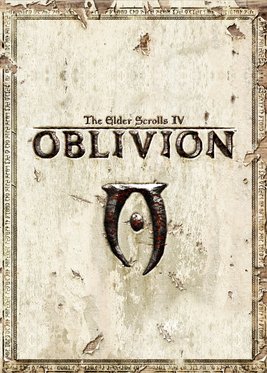
The Elder Scrolls IV: Oblivion
PCXbox 360PS3RPGClassicCyrodiil and the Oblivion Crisis — Martin Septim and the gates to Mehrunes Dagon's realm. It remains a key Release marker for PC, Xbox 360, PS3 (2006) and how players discuss where to start.
- Overview
- Radiant AI, fast travel, and fully voiced NPCs set a new open-world RPG template copied for years. Cyrodiil and the Oblivion Crisis — Martin Septim and the gates to Mehrunes Dagon's realm.
- In-game setting
- Story 3E 433: the Hero of Kvatch closes Oblivion gates and ends the Septim bloodline. Knights of the Nine and Shivering Isles extend the same era.
- Should you play it?
- Often the best middle ground between Morrowind's depth and Skyrim's pacing. Slot The Elder Scrolls IV: Oblivion per this tab; remasters beat original hardware for most newcomers.
- Release date
- Xbox 360 US launch March 20, 2006; PC March 27. Game of the Year Edition included expansions.
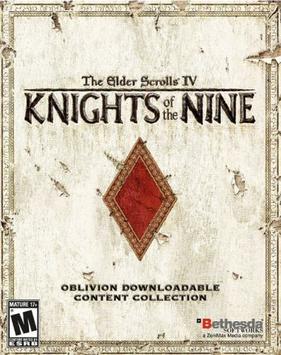
Oblivion — Knights of the Nine
PCXbox 360PS3ExpansionExpansionRelic quest across Cyrodiil — crusader armor and the Umaril storyline. It remains a key Release marker for PC, Xbox 360, PS3 (2006) and how players discuss where to start.
- Overview
- Longer DLC questline with new knightly order mechanics and pilgrimage shrines across the province. Relic quest across Cyrodiil — crusader armor and the Umaril storyline.
- In-game setting
- Story 3E 433 — can start mid-game after the main Oblivion Crisis begins. Play before or alongside Shivering Isles.
- Should you play it?
- Optional but popular — finish the main quest first if you want crisis context. Slot Oblivion — Knights of the Nine per this tab; remasters beat original hardware for most newcomers.
- Release date
- US launch November 21, 2006. Shipped around 2006 on PC, Xbox 360, PS3; prefer current digital editions when originals are awkward.
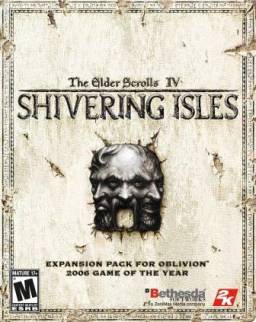
Oblivion — Shivering Isles
PCXbox 360PS3ExpansionExpansionSheogorath's realm — fan-favorite madgod storyline. It remains a key Release marker for PC, Xbox 360, PS3 (2007) and how players discuss where to start.
- Overview
- Entire new dimension with Jyggalag/Greymarch plot — among the best-written DLC in the series. Sheogorath's realm — fan-favorite madgod storyline.
- In-game setting
- Sheogorath's realm — fan-favorite madgod storyline. Story 3E 433 — set after the Oblivion Crisis main quest. You become embroiled in Sheogorath's succession.
- Should you play it?
- Play after Oblivion's main campaign — widely considered essential. Slot Oblivion — Shivering Isles per this tab; remasters beat original hardware for most newcomers.
- Release date
- US launch March 27, 2007. Shipped around 2007 on PC, Xbox 360, PS3; prefer current digital editions when originals are awkward.
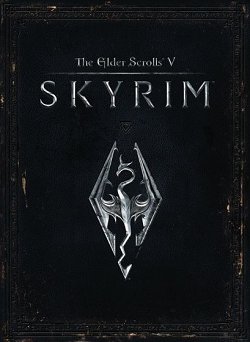 Special Edition
The Elder Scrolls V: Skyrim
PCPS3Xbox 360RPGClassicDragonborn in Skyrim — dragons return during the Civil War. It remains a key Release marker for PC, PS3, Xbox 360 (2011) and how players discuss where to start.
- Overview
- Dual-wield combat, dragon shouts, and a modular perk tree made this the best-selling RPG of its generation. Dragonborn in Skyrim — dragons return during the Civil War.
- In-game setting
- Story 4E 201: the Last Dragonborn faces Alduin during the Stormcloak vs Imperial Civil War — fallout from the Great War (4E 171–175) and White-Gold Concordat. Dawnguard, Hearthfire, and Dragonborn expand the same year.
- Should you play it?
- The default modern entry point. Finish the main story before expansions—explained in the questions below. Follow Start Here if you want the shortest 2026 checklist that still includes this chapter.
- Release date
- US launch November 11, 2011. Special Edition (2016) and Anniversary Edition (2021) re-released on modern consoles.
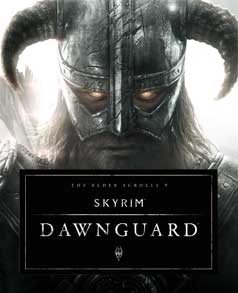
Skyrim — Dawnguard
PCXbox 360PS3ExpansionExpansionVampire lords vs the Dawnguard — Soul Cairn and Serana. It remains a key Release marker for PC, Xbox 360, PS3 (2012) and how players discuss where to start.
- Overview
- First Skyrim DLC — adds vampire lord form, crossbows, and two faction paths with Serana as a companion. Vampire lords vs the Dawnguard — Soul Cairn and Serana.
- In-game setting
- Vampire lords vs the Dawnguard — Soul Cairn and Serana. Story 4E 201 — after the main Dragonborn quest is typical. Introduces Volkihar clan lore tied to later books.
- Should you play it?
- Play after Skyrim main campaign. Order among Skyrim DLC is flexible except Dragonborn last for many players. Treat Skyrim — Dawnguard as required story only when Start Here or FAQ marks the expansion as mandatory.
- Release date
- Xbox 360 US launch June 26, 2012; PC and PS3 followed. Shipped around 2012 on PC, Xbox 360, PS3; prefer current digital editions when originals are awkward.
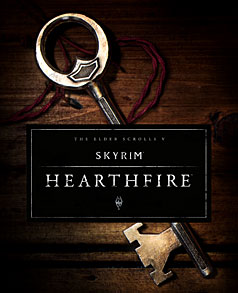
Skyrim — Hearthfire
PCXbox 360PS3ExpansionExpansionBuild homesteads in Skyrim — adoption and house crafting. It remains a key Release marker for PC, Xbox 360, PS3 (2012) and how players discuss where to start.
- Overview
- Land ownership, house building, and family adoption — low on main plot, high on role-play. Build homesteads in Skyrim — adoption and house crafting.
- In-game setting
- Build homesteads in Skyrim — adoption and house crafting. Story 4E 201 — side content anytime after reaching the appropriate level. No major lore gates.
- Should you play it?
- Optional cozy content — skip if you only want main lore beats. Slot Skyrim — Hearthfire per this tab; remasters beat original hardware for most newcomers.
- Release date
- US launch September 4, 2012. Shipped around 2012 on PC, Xbox 360, PS3; prefer current digital editions when originals are awkward.
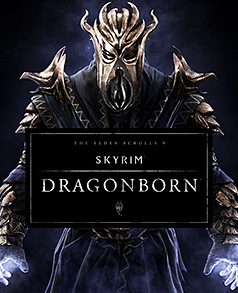
Skyrim — Dragonborn
PCXbox 360PS3ExpansionExpansionReturn to Solstheim — Miraak and Apocrypha. It remains a key Release marker for PC, Xbox 360, PS3 (2012) and how players discuss where to start.
- Overview
- Solstheim island, Dragonborn cult lore, and Hermaeus Mora's realm — ties back to Morrowind geography. Return to Solstheim — Miraak and Apocrypha.
- In-game setting
- Story 4E 201 — Miraak's return connects to Dragon War history. Many players save this DLC for last. Return to Solstheim — Miraak and Apocrypha.
- Should you play it?
- Best after main Skyrim + optionally Dawnguard. Strongest lore payoff among Skyrim DLC. Treat Skyrim — Dragonborn as required story only when Start Here or FAQ marks the expansion as mandatory.
- Release date
- US launch December 4, 2012. Shipped around 2012 on PC, Xbox 360, PS3; prefer current digital editions when originals are awkward.
The Elder Scrolls Online
PCPS4Xbox OneOnlinePrequelAlways-online Tamriel — set in 2E 582, centuries before the single-player games. It remains a key Release marker for PC, PS4, Xbox One (2014) and how players discuss where to start.
- Overview
- Zone-based MMO across all provinces with regular chapter expansions (Morrowind, Summerset, Elsweyr, etc.). Always-online Tamriel — set in 2E 582, centuries before the single-player games.
- In-game setting
- Story 2E 582: the Vestige fights Daedric plots during the Interregnum — before the Septim Empire unifies Tamriel.
- Should you play it?
- Earliest lore, mid-list release — optional for offline-only players. See FAQ on ESO vs single-player order. Follow Start Here if you want the shortest 2026 checklist that still includes this chapter.
- Release date
- PC NA launch April 4, 2014; consoles 2015. Requires internet; One Tamriel update removed level-gating zones.
 Optional
The Elder Scrolls: Legends
PCMobileCard gameOptionalDigital card game with story campaigns — optional lore, not main saga. It remains a key Release marker for PC, Mobile (2017) and how players discuss where to start.
- Overview
- Collectible card game with solo campaigns covering Great War battles, Dark Brotherhood fallout, and Clockwork City.
- In-game setting
- Card game story dates (not the 2017 release): Forgotten Hero during the Great War; Fall of the Dark Brotherhood a few years later; Return to Clockwork City around Skyrim's time. Isle of Madness—approx. date; See the questions below.
- Should you play it?
- Optional — skip for a lean playthrough. Useful for Great War context before Skyrim if you enjoy card games. Follow Start Here if you want the shortest 2026 checklist that still includes this chapter.
- Release date
- PC launch March 9, 2017; later mobile ports. Official support ended 2020 — campaigns still offline where installed.
 Optional
The Elder Scrolls: Blades
MobilePCSwitchMobileOptionalFree-to-play mobile dungeon builder — side spin-off, not main saga. It remains a key Release marker for Mobile, PC, Switch (2019) and how players discuss where to start.
- Overview
- Touch-first town rebuilding and arena combat — stripped-down Elder Scrolls for phones. Free-to-play mobile dungeon builder — side spin-off, not main saga.
- In-game setting
- Story 4E 180: mobile spin-off about a former Blade rebuilding a town — set after the Great War, decades before Skyrim (4E 201).
- Should you play it?
- Skip unless you want every licensed side game — the in-world timeline places it between the Great War and Skyrim.
- Release date
- Early access March 27, 2019 (iOS/Android); left early access May 12, 2020. PC and Switch ports followed.
FAQ
Where to start, what you can skip, and when to play each expansion.
Release order
Story order is when events happened in Tamriel—from ESO centuries before Skyrim up to Skyrim itself. Release order is what you buy and play, usually Morrowind → Oblivion → Skyrim, or Skyrim first. Optional entries and uncertain dates can be skipped on Story order. ESO is earliest in the lore but many players tackle it later or skip it. Use Release order to decide purchases; use Story order to follow the full plot.
Skyrim if you want a modern open-world feel, or Morrowind if you want the classic deep-dive. Then play Oblivion for the emperor's story. Read “What happened between Oblivion and Skyrim?” below before the civil war dialogue lands. ESO is optional if you want the earliest part of the timeline.
In the story: first — it is set centuries before the single-player games. By release date: after Skyrim and its expansions (2014). Side games like Legends and Blades fill gaps; the numbered games move the main story forward. Play ESO whenever you want online Tamriel — optional if you only play offline.
Story & history
Elder Scrolls Online
Spin-offs & date debates
Editions & remasters
More timelines
Other release-order and story-order guides on this site.
- Game series
Pokémon
Pokémon mainline RPGs in US release order (1998–2025) and regional story…
- Game series
Fallout
Fallout release and story order (1997–2018), in-universe chronology, DLC placement,…
- Game series
The Legend of Zelda
Zelda release and story order (1987–2024), official timeline branches after Ocarina,…