
Release & story order
Fallout games in order
Fallout games in order and Fallout timeline—classic vs modern paths, story years 2077–2296, and the Fallout TV watch order at 2296. Use this page for Fallout games in order and the full Fallout timeline—Release ship dates vs wasteland story years, plus the TV show at 2296. Fallout games in order and Fallout timeline—classic vs modern paths, story years 2077–2296, and the Fallout TV watch order at 2296. Use this page for Fallout games in order and the full Fallout timeline—Release ship dates vs wasteland story years, plus the TV show at 2296. Fallout games in order and Fallout timeline—classic vs modern paths, story years 2077–2296, and the Fallout TV watch order at 2296. Use this page for Fallout games in order and the full Fallout timeline—Release ship dates vs wasteland story years, plus the TV show at 2296. Fallout games in order and Fallout timeline—classic vs modern paths, story years 2077–2296, and the Fallout TV watch order at 2296. Use this page for Fallout games in order and the full Fallout timeline—Release ship dates vs wasteland story years, plus the TV show at 2296. Fallout games in order and Fallout timeline—classic vs modern paths, story years 2077–2296, and the Fallout TV watch order at 2296. Use this page for Fallout games in order and the full Fallout timeline—Release ship dates vs wasteland story years, plus the TV show at 2296. Fallout games in order and Fallout timeline—classic vs modern paths, story years 2077–2296, and the Fallout TV watch order at 2296. Use this page for Fallout games in order and the full Fallout timeline—Release ship dates vs wasteland story years, plus the TV show at 2296. Fallout games in order and Fallout timeline—classic vs modern paths, story years 2077–2296, and the Fallout TV watch order at 2296. Use this page for Fallout games in order and the full Fallout timeline—Release ship dates vs wasteland story years, plus the TV show at 2296. Fallout games and the TV show in release order and story order—from the Great War through the wasteland to 2296—with classic vs modern paths and where each expansion fits. Release covers ship dates: When each game was released. Fallout 76 is earliest in the story but last on this list — pick a classic or modern path below. Story follows fiction: When events happened in the wasteland, from the Great War (2077) through the TV series (2296). Use Start Here and Essentials for a 2026 default path; FAQ covers remasters, spin-offs, and skip costs.
Pick your path:
Where to start
Pick Modern path for the 3D era (3 → New Vegas → 4), or Classic path from the isometric RPGs. Fallout 76 and Tactics are optional—use Hide optional on the full list if you want them out of view.
- Modern: finish each game's main story before its expansions—see FAQ
- Classic: Fallout 1 and 2 are slow by today's standards but pay off in New Vegas callbacks
- After the TV show, try New Vegas or Fallout 4 for West Coast / synth threads
- TV chronology lives on Fallout TV timeline
Release order
When each game was released. Fallout 76 is earliest in the story but last on this list — pick a classic or modern path below. Release order lists when each Fallout chapter shipped so you can buy current editions and see remasters as separate rows when they matter.
- Modern path → Fallout 3 → New Vegas → Fallout 4 → TV show (Fallout 76 optional online prequel)
- Classic path → Fallout 1 → Fallout 2 → Fallout 3 → New Vegas → Fallout 4 → TV show
- Just finished the TV show → New Vegas or Fallout 4 for West Coast / synth callbacks
- Expansions—play after each game's main story; see the questions below (Broken Steel, Lonesome Road, Far Harbor…)
Story order tips
When events happened in the wasteland, from the Great War (2077) through the TV series (2296). Fallout 4's opening and the Great War entry both involve 2077 — read both; you don't switch games mid-scene.
- Full story order: Great War → Fallout 76 (2102) → Fallout 1 → 2 → 3 → New Vegas → 4 → TV (2296)
- Fallout Tactics (2197) is optional
- Some Story order entries are hidden—click one to read it, or turn on Show all spoilers
Story order
When events happened in the wasteland, from the Great War (2077) through the TV series (2296). Fallout 4's opening and the Great War entry both involve 2077 — read both; you don't switch games mid-scene.
- Full story order: Great War → Fallout 76 (2102) → Fallout 1 → 2 → 3 → New Vegas → 4 → TV (2296)
- Fallout Tactics (2197) is optional
- Some Story order entries are hidden—click one to read it, or turn on Show all spoilers
Timeline
When each game was released. Click a game for platforms, dates, and where it fits in your playthrough.
Release order

Fallout
PCRPGClassicFallout (1997) is the isometric RPG that locked the wasteland’s 1950s retro-future tone—SPECIAL builds, Action Points, and moral gray choices over power fantasies.
- Overview
- Interplay wrapped a non-linear Western RPG around SPECIAL and turn-based AP combat. Tim Cain’s team made Vault-Tec satire and radiation horror feel like one package.
- In-game setting
- Story year 2161: leave Vault 13 for a water chip, then face the Master’s FEV plot at Mariposa. Fallout (1997) is the isometric RPG that locked the wasteland’s 1950s retro-future tone—SPECIAL builds, Action Points, and moral gray choices over power fantasies.
- Should you play it?
- Essential for classic West Coast lore, but the UI feels dated—many newcomers start with Fallout 3 or New Vegas instead, then circle back.
- Release date
- US PC launch September 30, 1997 (Windows). No console version at release; later digital reissues keep the original isometric presentation.
Fallout 2
PCRPGClassicFallout 2 doubles the map and sharpens the satire as the Chosen One crosses Northern California seeking a GECK before the Enclave closes in.
- Overview
- Bigger world, deeper companions, and town-by-town reputation that remembers your choices—still a high-water mark for classic isometric Fallout writing.
- In-game setting
- Story year 2241: Arroyo’s drought, the GECK hunt, and the oil-rig Enclave finale. Twelve ending slides rank among the series’ densest consequence charts.
- Should you play it?
- Direct Story sequel. Follow Start Here if you want the shortest 2026 checklist that still includes this chapter.
- Release date
- US PC launch September 30, 1998—one year after Fallout, same developer window. Digital reissues remain the practical way to play.
 Optional
Fallout Tactics: Brotherhood of Steel
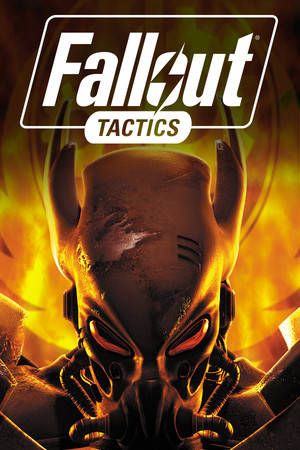
PCSpin-offOptionalFallout Tactics: Brotherhood of Steel swaps open-world RPG wandering for squad tactics in the Midwest—optional, debated canon, and safe to skip on a mainline lore run.
- Overview
- Real-time squad tactics and vehicle missions replace SPECIAL dialogue webs—a sharp genre detour that still wears Brotherhood iconography.
- In-game setting
- Story 2197–2198: a crashed Midwestern Brotherhood airship unifies settlements against mutants and robots. Later games rarely require knowing the outcomes.
- Should you play it?
- Optional on both tabs. Skip unless you want every Brotherhood branch; not required for Fallout 3, New Vegas, or Fallout 4.
- Release date
- US PC launch March 14, 2001. No modern remaster; treat it as a curiosity purchase, not a required campaign.
Fallout 3
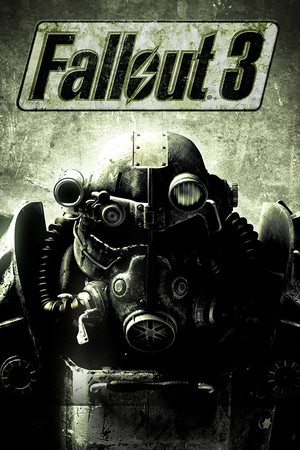
PCXbox 360PS3RPGFPS hybridFallout 3 is the first-person reboot that pulled most modern players into the Capital Wasteland—VATS, ruined D.C., and Bethesda’s open-world formula.
- Overview
- 3D exploration with real-time shooting plus VATS pause-and-target bursts keeps RPG builds relevant while selling a console-friendly wasteland.
- In-game setting
- Story year 2277: leave Vault 101 searching for James. Project Purity and a returning Enclave drive the arc before you branch into DLC.
- Should you play it?
- Usual modern entry point. Finish the main campaign before Broken Steel and other DLC; then decide if West Coast classics or New Vegas come next.
- Release date
- US launch October 28, 2008 on Xbox 360 and PC; PS3 followed. Gamebryo engine; first main Fallout on home consoles.
 Optional
Fallout: New Vegas
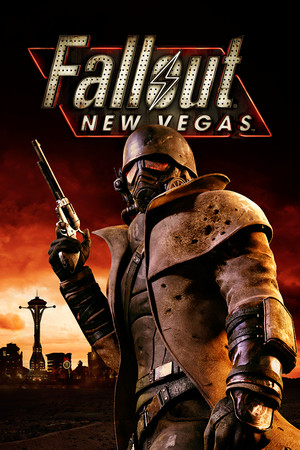
PCXbox 360PS3RPGSpin-offFallout: New Vegas is often called the series’ writing peak—a Mojave faction war where NCR, Legion, Mr. House, or independence actually change the ending.
- Overview
- Built on Fallout 3 tech but pushed faction reputation, hardcore survival options, and four major ending paths with Obsidian’s dialogue density.
- In-game setting
- Story year 2281: a courier shot in the head is pulled into Hoover Dam politics. Recommended DLC order: Dead Money → Honest Hearts → Old World Blues → Lonesome Road.
- Should you play it?
- Same generation as Fallout 3 but a separate story. Play the main game first, then DLC with Lonesome Road last.
- Release date
- US launch October 19, 2010 (PC, Xbox 360, PS3). Roughly eighteen months on shared Fallout 3 tech; community patches help on PC.
Fallout 4
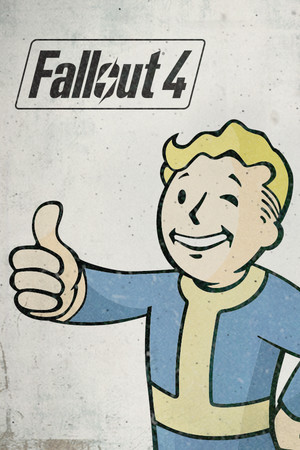
PCPS4Xbox OneRPGSettlementFallout 4 shifts to the Commonwealth with a voiced protagonist, settlement workshops, and tighter gunplay—Boston’s synth paranoia as the main hook.
- Overview
- Voiced dialogue, workshop building across the map, and Creation Engine gunplay define the numbered jump to PS4/Xbox One-era Fallout.
- In-game setting
- Story year 2287: the Sole Survivor wakes in Vault 111 after 210 years, hunting Shaun. Far Harbor and Nuka-World add major side regions after the main ending.
- Should you play it?
- Standalone story—fine as a first game. Play the campaign before Far Harbor and Nuka-World. TV connections feel richer after New Vegas or Fallout.
- Release date
- US launch November 10, 2015 (PC, PS4, Xbox One). Creation Engine; later next-gen upgrades exist on supported platforms.
Fallout 76
PCPS4Xbox OneOnlinePrequelFallout 76 is the always-online Appalachia RPG—earliest lore setting, latest main release—rebuilt after launch by Wastelanders into a co-op quest game.
- Overview
- First always-online Fallout RPG. 2018 launched without human NPCs; the 2020 Wastelanders update restored full quest givers and reframed the loop.
- In-game setting
- Story starts 2102 in Appalachia—twenty-five years after the bombs. Vault 76 residents face Scorched Plague and early faction rebuilding.
- Should you play it?
- Earliest lore, latest release-order titles—put it first on Story or last on Release depending on whether you prioritize chronology or offline comfort.
- Release date
- US launch November 14, 2018 (PC, PS4, Xbox One). Requires internet; seasonal updates still expand Appalachia.
FAQ
Where to begin, the gap between games, Fallout 76, and the TV show.
Release order
TV series
2296 — nine years after Fallout 4 (2287) and the latest story date on this page. Treated as official story alongside the main games. Season 1–2 release dates on [Fallout TV timeline](/fallout-media).
Optional & side content
More timelines
Other release-order and story-order guides on this site.
- Media
Fallout Media
Fallout TV watch order on Prime Video (2024–2026)—Seasons 1–2, 2296 wasteland fiction,…
- Game series
Metro
Metro release and story order (2010–2027)—Metro 2033 through Exodus and upcoming Metro…
- Game series
Pokémon
Pokémon mainline RPGs in US release order (1998–2025) and regional story…
- Game series
The Elder Scrolls
Elder Scrolls release and Tamriel story order (1994–2019), DLC placement, and classic…
- Game series
Resident Evil
Resident Evil release and story order (1996–2026), DLC placement, remake vs classic…