
Release & story order
DOOM games in order
DOOM timeline covering every mainline chapter in games in order—classic Hell invasions through the modern id revival. DOOM from the 1993 shareware original through Doom Eternal, The Ancient Gods, and Doom: The Dark Ages (2025)—US release dates, the Doom Slayer continuity vs the separate Doom 3 reimagining, and FAQ for Final Doom, Doom 64, and where to start.
Pick your path:
Where to start
Pick Modern Slayer for DOOM (2016) → Eternal → Ancient Gods, or Slayer saga adding classics and Dark Ages. Doom 3 is a separate branch—Hide optional or use Story tab.
- Ancient Gods requires Eternal base game—play both TAG parts after main campaign
- Classic 1993–1994 duo optional before 2016 if you want origin lore
- Doom 3 does not connect to 2016 reboot—FAQ branch
Release order
When id Software and Bethesda shipped each mainline chapter—PC shareware (1993) through Doom: The Dark Ages (2025). Mobile RPGs, Doom VFR, and SnapMap-only content are optional, not numbered entries here.
- Classic nostalgia → Release order from 1993 shareware through Doom 64, then jump to 2016 on modern hardware
- Modern action only → DOOM (2016) → Doom Eternal → The Ancient Gods—skip classic if you want gunplay first
- Full Slayer lore → Story tab: classic duo → Dark Ages → 2016 → Eternal → Ancient Gods
- Doom 3 fans → Optional branch on Story order—does not connect to the 2016 reboot
Story order tips
Two main story worlds on this page. The Doom Slayer saga: classic DOOM → DOOM II → (optional Doom 64) → Doom: The Dark Ages → DOOM (2016) → Doom Eternal → The Ancient Gods. Doom 3 and Resurrection of Evil are a separate reimagining of the Mars incident—not the same continuity as the 2016 reboot.
- Slayer core: DOOM (1993) → DOOM II → Doom: The Dark Ages → DOOM (2016) → Doom Eternal → The Ancient Gods (Part One then Part Two)
- Doom 64 fits after DOOM II for completionists—id treats it as classic-era epilogue material
- Doom 3 is its own timeline—same Mars idea, different story details; play separately from Slayer entries
- The Ancient Gods requires the Eternal base game—Story order places both parts after the main Eternal campaign
Story order
Two main story worlds on this page. The Doom Slayer saga: classic DOOM → DOOM II → (optional Doom 64) → Doom: The Dark Ages → DOOM (2016) → Doom Eternal → The Ancient Gods. Doom 3 and Resurrection of Evil are a separate reimagining of the Mars incident—not the same continuity as the 2016 reboot.
- Slayer core: DOOM (1993) → DOOM II → Doom: The Dark Ages → DOOM (2016) → Doom Eternal → The Ancient Gods (Part One then Part Two)
- Doom 64 fits after DOOM II for completionists—id treats it as classic-era epilogue material
- Doom 3 is its own timeline—same Mars idea, different story details; play separately from Slayer entries
- The Ancient Gods requires the Eternal base game—Story order places both parts after the main Eternal campaign
Timeline
When each game was released. Click a game for platforms, dates, and where it fits in your playthrough.
Release order
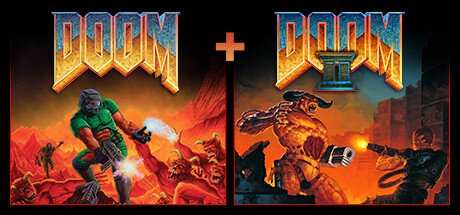
DOOM
PCConsole portsFPSMainlineClassicDOOM (1993). id's shareware breakthrough—Phobos, Deimos, and Hell. It marks the PC, Console ports ship window for this chapter.
- Overview
- Defined the FPS genre—fast movement, modding, and networked deathmatch. DOOM refined series combat, exploration, or presentation in ways sequels still reference.
- In-game setting
- Episodes on Martian moons; Doomguy vs demons. Ultimate DOOM (1995) adds a fourth episode. DOOM (1993). Setting and continuity beat for DOOM on this timeline.
- Should you play it?
- Start of the Slayer saga in story order. Still playable inside id/Bethesda bundles. Play DOOM where this Release tab places it; remasters can replace older versions when listed.
- Release date
- US PC shareware December 10, 1993. Countless ports; buy via DOOM Classic on modern stores.
DOOM II: Hell on Earth
PCFPSMainlineClassicDOOM II: Hell on Earth (1994). Demons reach Earth—the Icon of Sin finale. It marks the PC ship window for this chapter.
- Overview
- Super shotgun, larger levels, and co-op on one map—no episode breaks. DOOM II: Hell on Earth refined series combat, exploration, or presentation in ways sequels still reference.
- In-game setting
- Direct sequel to DOOM; sets up later Slayer lore referenced in 2016/Eternal. Use neighboring titles with DOOM II: Hell on Earth to align cast continuity across Release and Story.
- Should you play it?
- Essential classic chapter before Dark Ages or the 2016 reboot in story order. Follow Start Here if you want the shortest 2026 checklist that still includes this chapter.
- Release date
- US PC launch September 30, 1994. Shipped around 1994 on PC; prefer current digital editions when originals are awkward.
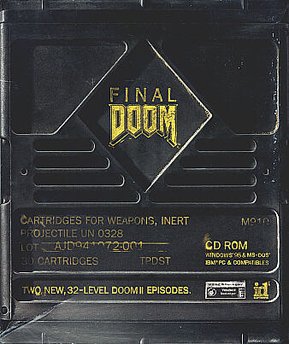
Final Doom
PCPS1FPSExpansionClassicFinal Doom (1996). TNT: Evilution and The Plutonia Experiment—official map packs. It marks the PC, PS1 ship window for this chapter.
- Overview
- Two community episode sets published as a retail product—not new engine chapters. Final Doom refined series combat, exploration, or presentation in ways sequels still reference.
- In-game setting
- Side missions in the classic engine; no required Slayer plot beats. Use neighboring titles with Final Doom to align cast continuity across Release and Story.
- Should you play it?
- Optional for release historians—skip on Story order unless you want every classic disc. Treat Final Doom as required story only when Start Here or FAQ marks the expansion as mandatory.
- Release date
- US PC launch June 17, 1996. Shipped around 1996 on PC, PS1; prefer current digital editions when originals are awkward.
Doom 64
N64PCSwitchPS4Xbox OneFPSMainlineClassicDoom 64 (1997). Dark, moody Nintendo 64 take—Mother Demon on a rebuilt Hell. It marks the N64, PC, Switch ship window for this chapter.
- Overview
- New art and lighting on N64; later remastered for modern platforms (2020). Doom 64 refined series combat, exploration, or presentation in ways sequels still reference.
- In-game setting
- Classic-era epilogue after DOOM II in many fan and id-adjacent orderings. Use neighboring titles with Doom 64 to align cast continuity across Release and Story.
- Should you play it?
- Optional but short—Story order after DOOM II, before Dark Ages. Play Doom 64 where this Release tab places it; remasters can replace older versions when listed.
- Release date
- US N64 launch December 10, 1997. 2020 remaster on PC and consoles.
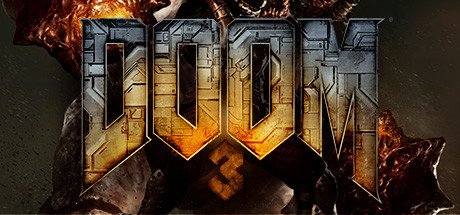
DOOM 3
PCXboxFPSMainlineDoom 3 eraDOOM 3 (2004). Horror-forward UAC Mars base—flashlight and slower dread. It marks the PC, Xbox ship window for this chapter.
- Overview
- id Tech 4 showcase—tight corridors, voice logs, and demon invasion reboot tone. DOOM 3 (2004). Horror-forward UAC Mars base—flashlight and slower dread.
- In-game setting
- Reimagines the Mars incident; separate from the 2016 Slayer continuity. Use neighboring titles with DOOM 3 to align cast continuity across Release and Story.
- Should you play it?
- Own branch on Story order—not a required step before DOOM (2016). Play DOOM 3 where this Release tab places it; remasters can replace older versions when listed.
- Release date
- US PC launch August 3, 2004. BFG Edition (2012) bundles Resurrection of Evil. Shipped around 2004 on PC, Xbox; prefer current digital editions when originals are awkward.
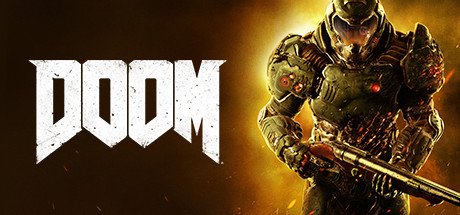
DOOM
PCPS4Xbox OneFPSMainlineSlayer sagaDOOM (2016). id Software reboot—glory kills and the return of the Doom Slayer. It marks the PC, PS4, Xbox One ship window for this chapter.
- Overview
- Arena shooter revival—push-forward combat and SnapMap on modern hardware. DOOM refined series combat, exploration, or presentation in ways sequels still reference.
- In-game setting
- Continues from classic DOOM lore decades later—same Slayer, not Doom 3's marine. Use neighboring titles with DOOM to align cast continuity across Release and Story.
- Should you play it?
- Best modern entry point after Dark Ages on Story order—or skip straight here for gameplay. Follow Start Here if you want the shortest 2026 checklist that still includes this chapter.
- Release date
- Worldwide launch May 13, 2016. Shipped around 2016 on PC, PS4, Xbox One; prefer current digital editions when originals are awkward.
 Optional
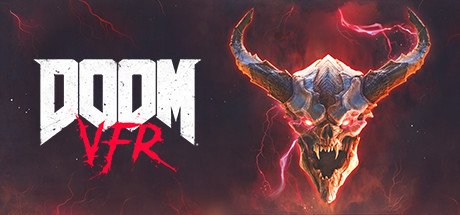
DOOM VFR
PSVRPC VRFPSOptionalVRDOOM VFR (2017). Virtual-reality spin-off—abbreviated demon gauntlet. It marks the PSVR, PC VR ship window for this chapter.
- Overview
- Standalone VR campaign—not a mainline sequel to DOOM (2016). DOOM VFR refined series combat, exploration, or presentation in ways sequels still reference.
- In-game setting
- Optional side experience; no required Slayer plot beats. Use neighboring titles with DOOM VFR to align cast continuity across Release and Story.
- Should you play it?
- Skip for story canon—VR owners only. Play DOOM VFR where this Release tab places it; remasters can replace older versions when listed.
- Release date
- US launch December 1, 2017. Shipped around 2017 on PSVR, PC VR; prefer current digital editions when originals are awkward.
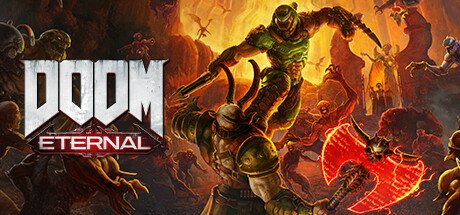
DOOM Eternal
PCPS4Xbox OneSwitchFPSMainlineSlayer sagaDOOM Eternal (2020). Earth invasion—dash, grapple, and the Sentinel backstory. It marks the PC, PS4, Xbox One ship window for this chapter.
- Overview
- Expanded mobility and lore for the Slayer; multiplayer Battlemode at launch. DOOM Eternal (2020). Earth invasion—dash, grapple, and the Sentinel backstory.
- In-game setting
- Direct sequel to DOOM (2016)—Story order continues immediately. Use neighboring titles with DOOM Eternal to align cast continuity across Release and Story.
- Should you play it?
- Play after 2016 reboot; Ancient Gods DLC follows the base campaign. Play DOOM Eternal where this Release tab places it; remasters can replace older versions when listed.
- Release date
- US launch March 20, 2020. Upgraded ports on PS5/Xbox Series later. Shipped around 2020 on PC, PS4, Xbox One, Switch; prefer current digital editions when originals are awkward.
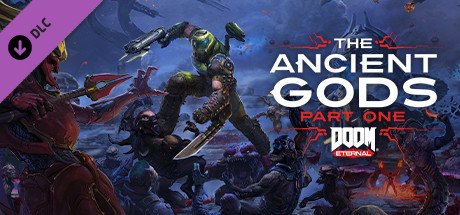
The Ancient Gods — Part One
PCPS4Xbox OneFPSExpansionSlayer sagaThe Ancient Gods — Part One (2020). Eternal expansion—UAC Sentinel Hammer and Hell cultists. It marks the PC, PS4, Xbox One ship window for this chapter.
- Overview
- Standalone-sized campaign DLC—not a separate engine sequel. The Ancient Gods — Part One refined series combat, exploration, or presentation in ways sequels still reference.
- In-game setting
- Story continues Eternal's ending—requires base Eternal. Use neighboring titles with The Ancient Gods — Part One to align cast continuity across Release and Story.
- Should you play it?
- Story order after Eternal main campaign, before Part Two. Treat The Ancient Gods — Part One as required story only when Start Here or FAQ marks the expansion as mandatory.
- Release date
- Worldwide launch October 20, 2020. Shipped around 2020 on PC, PS4, Xbox One; prefer current digital editions when originals are awkward.
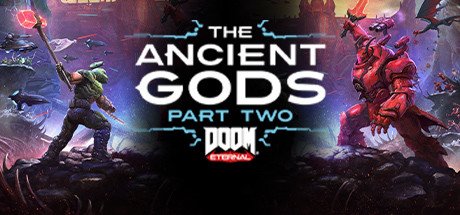
The Ancient Gods — Part Two
PCPS4Xbox OneFPSExpansionSlayer sagaThe Ancient Gods — Part Two (2021). Eternal finale DLC—Immora and the Dark Lord confrontation. It marks the PC, PS4, Xbox One ship window for this chapter.
- Overview
- Concludes the Eternal arc before Dark Ages expanded the past. The Ancient Gods — Part Two (2021). Eternal finale DLC—Immora and the Dark Lord confrontation.
- In-game setting
- Capstone of the 2016–2021 Slayer story run on this page. Use neighboring titles with The Ancient Gods — Part Two to align cast continuity across Release and Story.
- Should you play it?
- Finish Eternal saga here before Dark Ages prequel on Story order—or play Dark Ages after classic only. Treat The Ancient Gods — Part Two as required story only when Start Here or FAQ marks the expansion as mandatory.
- Release date
- Worldwide launch March 18, 2021. Shipped around 2021 on PC, PS4, Xbox One; prefer current digital editions when originals are awkward.
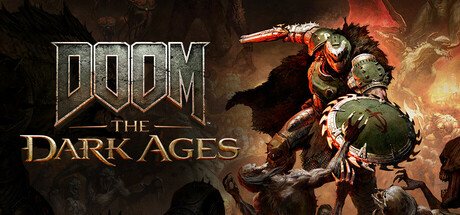
DOOM: The Dark Ages
PCPS5Xbox Series X|SFPSMainlineSlayer sagaDOOM: The Dark Ages (2025). Medieval-tech prequel—mecha dragon and the Slayer's earlier war. It marks the PC, PS5, Xbox Series X|S ship window for this chapter.
- Overview
- Mix of melee, shields, and classic speed—id's prequel to DOOM (2016). DOOM: The Dark Ages refined series combat, exploration, or presentation in ways sequels still reference.
- In-game setting
- DOOM: The Dark Ages (2025). Medieval-tech prequel—mecha dragon and the Slayer's earlier war. Story slots between classic DOOM II era and the 2016 reboot in Slayer chronology.
- Should you play it?
- Latest mainline entry as of June 2026—Story order before 2016, after classic duo. Follow Start Here if you want the shortest 2026 checklist that still includes this chapter.
- Release date
- Worldwide launch May 15, 2025. Shipped around 2025 on PC, PS5, Xbox Series X|S; prefer current digital editions when originals are awkward.
FAQ
Release vs story order, classic vs Slayer saga, Doom 3 branch, Dark Ages prequel placement, Eternal DLC, and spin-offs.
Release order
Release order is when each game shipped in the US (1993–2025). Story order follows the Doom Slayer continuity id Software uses in the 2016 reboot era: classic DOOM → DOOM II → Doom: The Dark Ages → DOOM (2016) → Doom Eternal → The Ancient Gods. Doom 3 is a separate reimagining on its own Story branch. Use Release to feel franchise history; use Story for Slayer lore sequence.
Gameplay-first → DOOM (2016) then Doom Eternal. Lore-first Slayer path → classic DOOM + DOOM II (cheap in bundles), then Dark Ages, then 2016 → Eternal → Ancient Gods. Horror fans → Doom 3 branch alone—it does not lead into 2016. Skip Final Doom and Doom VFR unless you want every disc.
Story & continuities
No. Doom 3 (2004) is a horror reimagining of a Mars demon invasion with a different marine and story beats. DOOM (2016) continues the classic 1993–1994 Slayer decades later—the same Doomguy from the original games, not the Doom 3 protagonist. Both use UAC and Mars, but this page treats them as separate story worlds.
Doom: The Dark Ages (2025) is a prequel in the Slayer timeline—set after the classic DOOM / DOOM II era and before DOOM (2016). On Story order: classic duo → optional Doom 64 → Dark Ages → 2016 → Eternal → The Ancient Gods. It shipped last in release order but sits earlier in fiction.
Remasters & bundles
Optional & spin-offs
More timelines
Other release-order and story-order guides on this site.
- Game series
Halo
Halo release and story order (2001–2021), Master Chief chronology 2531–2560, ODST…
- Game series
Call of Duty
Call of Duty release and story order (2003–2026)—Black Ops saga, Modern Warfare reboot…
- Game series
Battlefield
Battlefield release and setting order (2002–2025)—1942 through Battlefield 6, Bad…
- Game series
Gears of War
Gears of War release and story order (2006–2026)—Marcus trilogy, Judgment, Tactics,…