
Release & story order
The Witcher timeline
The Witcher from the 2008 PC debut through The Witcher 3: Wild Hunt (2015) and Thronebreaker (2018)—US release dates, Geralt's game chronology, and FAQ for Sapkowski books, Netflix, Enhanced/Complete editions, and the upcoming Witcher 4 (Polaris).
Pick your path:
Where to start
Pick Full saga for Geralt 1 → 2 → 3, or Wild Hunt only if you want one open-world entry with recap videos for earlier politics. Essentials trims The Witcher to the chapters most players should finish first; hide optional rows when you want a shorter checklist.
- Witcher 3 Complete Edition includes Hearts of Stone and Blood and Wine—FAQ order
- Thronebreaker is a separate Gwent RPG—optional on full list
- Books and Netflix are different layers—see FAQ
Release order
When CD Projekt RED shipped each chapter—The Witcher (2008 US), The Witcher 2: Assassins of Kings (2011), The Witcher 3: Wild Hunt (2015), then Thronebreaker: The Witcher Tales (2018). Enhanced Editions and the 2022 next-gen Complete Edition are optional—not separate must-play titles.
- Full saga → The Witcher → Witcher 2 → Witcher 3 (Enhanced/Complete on PC or consoles)
- Short on time → Witcher 3 Complete Edition alone—recap videos for 1 and 2
- Thronebreaker → after Witcher 2 or 3—Gwent RPG spin-off
- Books/Netflix optional—FAQ explains canon layers
Story order tips
Geralt's game saga runs The Witcher → The Witcher 2 → The Witcher 3 in both release and story order. Thronebreaker follows Queen Meve in a parallel tale—release-order titles only. Books and Netflix use different continuity layers—see FAQ.
- Core games: The Witcher → The Witcher 2 → The Witcher 3
- Witcher 2 branches to two paths—both lead to Witcher 3 with different prologue state
- Hearts of Stone and Blood and Wine (W3 expansions)—play after main W3 story—FAQ
- On Story order, Witcher 3 may be hidden—reveal when ready or use Show all spoilers
Story order
Geralt's game saga runs The Witcher → The Witcher 2 → The Witcher 3 in both release and story order. Thronebreaker follows Queen Meve in a parallel tale—release-order titles only. Books and Netflix use different continuity layers—see FAQ.
- Core games: The Witcher → The Witcher 2 → The Witcher 3
- Witcher 2 branches to two paths—both lead to Witcher 3 with different prologue state
- Hearts of Stone and Blood and Wine (W3 expansions)—play after main W3 story—FAQ
- On Story order, Witcher 3 may be hidden—reveal when ready or use Show all spoilers
Timeline
When each game was released. Click a game for platforms, dates, and where it fits in your playthrough.
Release order
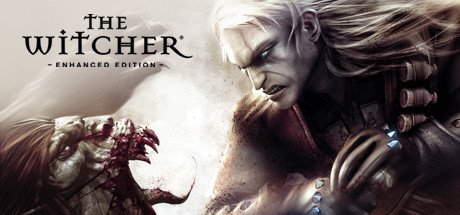
The Witcher
PCRPGMainlineThe Witcher (2008) is CDPR’s first Geralt RPG—Temeria, Vizima, and moral gray choices after Geralt’s amnesia.
- Overview
- Isometric-to-3rd-person hybrid combat with timed spells and a dialogue system that remembers harsh consequences.
- In-game setting
- Post-amnesia Temeria. Optional if you only want Wild Hunt, but choices echo faintly into later games. The Witcher (2008) is CDPR’s first Geralt RPG—Temeria, Vizima, and moral gray choices after Geralt’s amnesia.
- Should you play it?
- Series start—dated UI, but Story continuity begins here. Soft link: *Witcher media*. Current storefront editions are the practical buy for newcomers.
- Release date
- US PC October 21, 2008. Enhanced Edition patches remain the practical way to play.
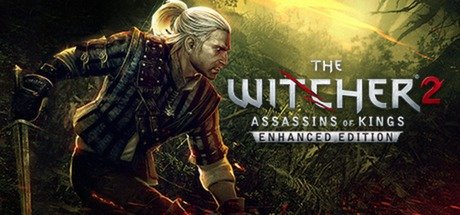
The Witcher 2: Assassins of Kings
PCXbox 360RPGMainlineThe Witcher 2: Assassins of Kings sharpens politics—kingslayer plots across Temeria and Aedirn with major branching acts.
- Overview
- Chapter-structure branching that can rewrite Act 2 entirely; denser tactics than the 2008 debut. Later chapters still answer the systems and tone this entry set.
- In-game setting
- After The Witcher. Importing saves can color Witcher 3 world states. The Witcher 2: Assassins of Kings sharpens politics—kingslayer plots across Temeria and Aedirn with major branching acts.
- Should you play it?
- Middle chapter. Enhanced Edition recommended. Prep for Wild Hunt politics. Current storefront editions are the practical buy for newcomers.
- Release date
- US May 17, 2011 on PC; Xbox 360 later. Enhanced Edition is the current storefront default.
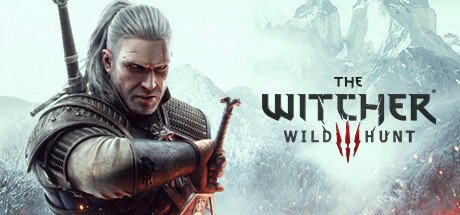
The Witcher 3: Wild Hunt
PCPS4Xbox OneRPGMainlineOpen worldThe Witcher 3: Wild Hunt is the open-world peak—Velen, Novigrad, Skellige, and Ciri’s chase against the Hunt.
- Overview
- Open-world RPG storytelling with monster contracts, political war boards, and two massive story expansions. Later chapters still answer the systems and tone this entry set.
- In-game setting
- After Witcher 2 for full continuity. Cross-media: *Witcher media* for show/book order. The Witcher 3: Wild Hunt is the open-world peak—Velen, Novigrad, Skellige, and Ciri’s chase against the Hunt.
- Should you play it?
- Default entry for most players. Complete Edition bundles Hearts of Stone + Blood and Wine. Current storefront editions are the practical buy for newcomers.
- Release date
- US May 19, 2015 on PC, PS4, Xbox One; next-gen update later. Switch port exists.
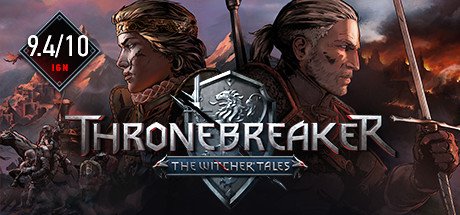 Optional
Thronebreaker: The Witcher Tales
PCPS4Xbox OneSwitchRPGSpin-offThronebreaker: The Witcher Tales is a story-driven Gwent adventure—Queen Meve’s Lyria campaign, optional for Geralt’s path.
- Overview
- Single-player Gwent battles wrapped in a choice-driven war narrative separate from Geralt’s trilogy. Later chapters still answer the systems and tone this entry set.
- In-game setting
- Standalone Meve arc. Soft world flavor for *Witcher media* readers—not required for Wild Hunt.
- Should you play it?
- Optional on both tabs. Skip if you only want Geralt; play for Northern Wars flavor and card fans. Current storefront editions are the practical buy for newcomers.
- Release date
- US October 23, 2018 on PC, PS4, Xbox One, Switch. Confirm the Thronebreaker: The Witcher Tales SKU for your region before buying.
FAQ
Release vs story order, books vs games vs Netflix, Thronebreaker, remasters, and Witcher 4.
Story & canon
Andrzej Sapkowski's books inspired the games but CD Projekt's story diverges—especially after Witcher 1. Common paths: (1) Games only — 1 → 2 → 3. (2) Books then games — start with The Last Wish / Sword of Destiny, then games knowing they branch. (3) Netflix — separate adaptation; full season and film watch order on [Witcher Netflix timeline](/witcher-media). No single mandatory cross-media order.
Thronebreaker: The Witcher Tales is a standalone Gwent RPG starring Queen Meve—release-order titles, not Geralt Story order. Set during the Second Nilfgaard war (parallel to Witcher 2/3 era). Play after Witcher 2 or 3; no save import. Optional unless you want more Witcher-world politics and card battles.
CD Projekt RED announced The Witcher 4 (codename Polaris)—optional as of June 2026. It begins a new saga with a new protagonist (not Geralt as lead). This page covers shipped games through Thronebreaker; Witcher 4 gets a release-order title when dated.
Editions & remasters
Optional & upcoming
More timelines
Other release-order and story-order guides on this site.
- Media
The Witcher Media
The Witcher Netflix watch order (2019–2025)—seasons 1–4, Nightmare of the Wolf, Blood…
- Game series
The Elder Scrolls
Elder Scrolls release and Tamriel story order (1994–2019), DLC placement, and classic…
- Game series
Cyberpunk
Cyberpunk release and story order (2020–2026)—Cyberpunk 2077, Phantom Liberty,…
- Game series
Fallout
Fallout release and story order (1997–2018), in-universe chronology, DLC placement,…
- Game series
Mass Effect
Mass Effect release and story order (2007–2017)—Shepard trilogy, Legendary Edition,…