
Release & story order
Metal Gear Solid timeline
Metal Gear from the MSX originals through Delta: Snake Eater—US release dates, in-universe chronology from the Cold War prequel arc to Guns of the Patriots, and how to start whether you want classic twists or modern open-world stealth. Release covers ship dates: When each game shipped. Story follows fiction: When events happen in fiction, from Naked Snake in 1964 through Old Snake in 2014. Use Start Here and Essentials for a 2026 default path; FAQ covers remasters, spin-offs, and skip costs.
Pick your path:
Where to start
Pick First play for Kojima's shipped order (MGS1 through MGSV), Big Boss arc for the prequel block only, or Solid Snake for MSX classics plus the 1998–2014 saga. Portable Ops and Rising stay on the full list—use Hide optional.
- First playthrough should stay on Release order—Story order is for lore replays
- Master Collection Vol. 1 bundles MSX through MGS3 on modern platforms
- Delta: Snake Eater replaces MGS3 for newcomers who want a full remake
- Previous Operations in MGS1 summarizes MSX if you skip Metal Gear / Metal Gear 2
Release order
When each game shipped. Kojima's 1998 PlayStation breakthrough came years after the Japan-only MSX Metal Gear games—MGS3 and MGSV are prequels released mid-series. Metal Gear Solid: Master Collection Vol. 1 bundles the MSX pair with MGS through MGS3 on modern platforms.
- First playthrough → Release order (start MGS 1998 or Master Collection Vol. 1)—each game assumes you played the previous shipped entry; Story order is for lore replays
- Classic release path → MGS (1998) → MGS2 → MGS3 → MGS4 → Peace Walker → MGSV (GZ → TPP); add MSX MG/MG2 when ready
- Story-first replay → switch to Story order (MGS3/Delta through MGSV, then MSX Metal Gear → MGS1 → MGS2 → MGS4)
- Can't stand retro controls → MGS1's Previous Operations menu summarizes MSX—or start MGSV, then backfill (spoilers out of order)
- Modern buy → Master Collection Vol. 1 + Vol. 2 + MGSV + Delta; skip Rising unless you want Raiden's optional 2018 epilogue
Story order tips
When events happen in fiction, from Naked Snake in 1964 through Old Snake in 2014. Big Boss's arc (MGS3 → Peace Walker → MGSV) is a continuous prequel block; Solid Snake picks up at Outer Heaven in 1995.
- Big Boss block: MGS3 (1962 prelude + 1964) → Portable Ops (1970, optional) → Peace Walker (1974) → Ground Zeroes (1975) → The Phantom Pain (1984)
- Solid Snake block: Metal Gear (1995) → Metal Gear 2 (1997 background → 1999 Zanzibar) → MGS1 (2005) → MGS2 (2007 Tanker, two-year gap, 2009 Big Shell) → MGS4 (2014)
- Rising (~2018) is optional—about four years after MGS4; explained in the questions below
- On Story order, some entries are hidden to avoid spoilers—click to reveal them, or turn on Show all spoilers
Story order
When events happen in fiction, from Naked Snake in 1964 through Old Snake in 2014. Big Boss's arc (MGS3 → Peace Walker → MGSV) is a continuous prequel block; Solid Snake picks up at Outer Heaven in 1995.
- Big Boss block: MGS3 (1962 prelude + 1964) → Portable Ops (1970, optional) → Peace Walker (1974) → Ground Zeroes (1975) → The Phantom Pain (1984)
- Solid Snake block: Metal Gear (1995) → Metal Gear 2 (1997 background → 1999 Zanzibar) → MGS1 (2005) → MGS2 (2007 Tanker, two-year gap, 2009 Big Shell) → MGS4 (2014)
- Rising (~2018) is optional—about four years after MGS4; explained in the questions below
- On Story order, some entries are hidden to avoid spoilers—click to reveal them, or turn on Show all spoilers
Timeline
When each game was released. Click a game for platforms, dates, and where it fits in your playthrough.
Release order
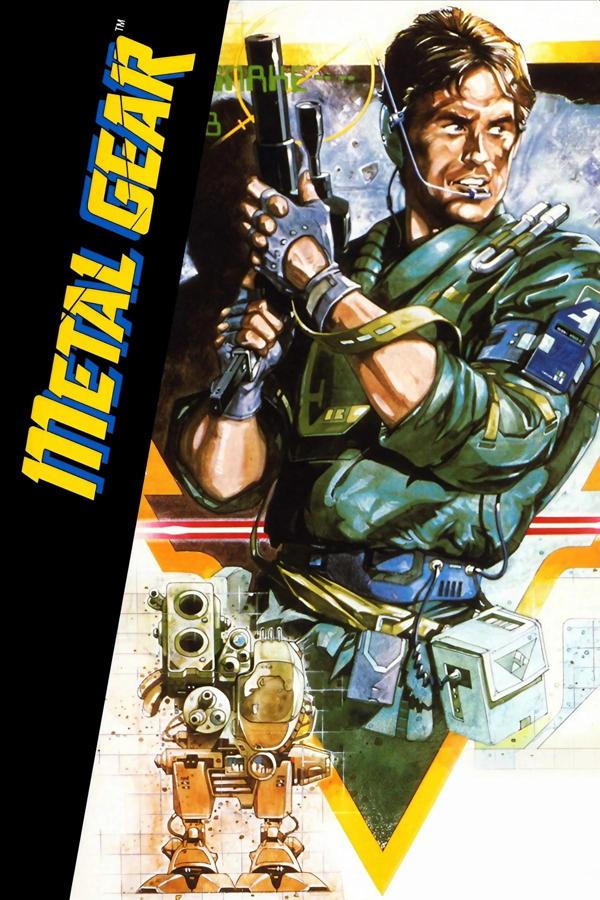
Metal Gear
MSX2StealthClassicMetal Gear (1987) is Solid Snake’s MSX2 debut—infiltrate Outer Heaven and stop a walking battle tank.
- Overview
- Top-down stealth action that invented the Metal Gear fantasy before 3D cinematic espionage. Later chapters still answer the stealth systems and themes this entry set.
- In-game setting
- 1995 Outer Heaven fiction year. Story tab places it after Big Boss’s 1960s–80s arc. Metal Gear (1987) is Solid Snake’s MSX2 debut—infiltrate Outer Heaven and stop a walking battle tank.
- Should you play it?
- Series root. Modern players often meet Snake via MGS3 or collections first. Current storefront editions and collections are the practical buy.
- Release date
- MSX2 July 1987 (Japan); later ports/emulation and collection reissues vary.
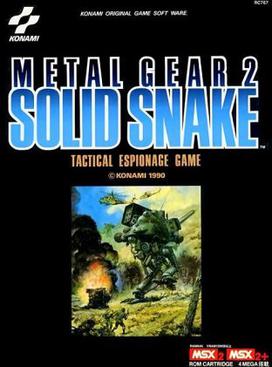
Metal Gear 2: Solid Snake
MSX2StealthClassicMetal Gear 2: Solid Snake (1990) refines MSX stealth—Zanzibar Land, better AI, and denser gadget play.
- Overview
- Smarter guards, radar tools, and a plot bridge into Metal Gear Solid’s continuity. Later chapters still answer the stealth systems and themes this entry set.
- In-game setting
- 1999 Zanzibar Land. Direct sequel to Metal Gear before the PlayStation leap. Metal Gear 2: Solid Snake (1990) refines MSX stealth—Zanzibar Land, better AI, and denser gadget play.
- Should you play it?
- Essential for MSX lore purists; skippable if starting at MGS1 with summary primers. Current storefront editions and collections are the practical buy.
- Release date
- MSX2 1990; later included in some re-release packages and emulated collections.
Metal Gear Solid
PlayStationPCStealthMainlineMetal Gear Solid (1998) reinvents Snake in 3D—Shadow Moses, FOXHOUND traitors, and codec theater.
- Overview
- Cinematic stealth landmark: solvepuzzles, boss gimmicks, and fourth-wall play that defined Kojima’s style. Later chapters still answer the stealth systems and themes this entry set.
- In-game setting
- 2005 Shadow Moses. Play after MSX games on lore, or start here on accessibility. Metal Gear Solid (1998) reinvents Snake in 3D—Shadow Moses, FOXHOUND traitors, and codec theater.
- Should you play it?
- Common modern entry. Prefer Master Collection / HD options when available. Current storefront editions and collections are the practical buy.
- Release date
- US September 3, 1998 on PlayStation; PC later. Master Collection Vol.1 reissue path exists.
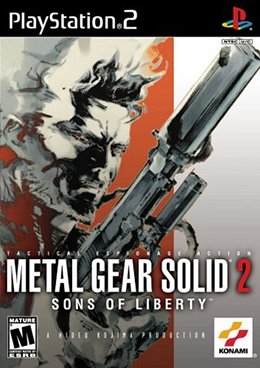
Metal Gear Solid 2: Sons of Liberty
PlayStation 2XboxPCStealthMainlineMetal Gear Solid 2: Sons of Liberty (2001) shifts to Raiden on the Big Shell—meme-aware politics and AI themes.
- Overview
- Perspective bait-and-switch with environmental storytelling and still-radical media satire. Later chapters still answer the stealth systems and themes this entry set.
- In-game setting
- 2007–2009 Big Shell / Plant arc. Seeds Patriots mythology for MGS4. Metal Gear Solid 2: Sons of Liberty (2001) shifts to Raiden on the Big Shell—meme-aware politics and AI themes.
- Should you play it?
- Direct sequel—finish MGS1 first. Substance edition adds extras. Current storefront editions and collections are the practical buy.
- Release date
- US November 13, 2001 on PS2; Xbox/PC Substance versions later; Master Collection includes it.
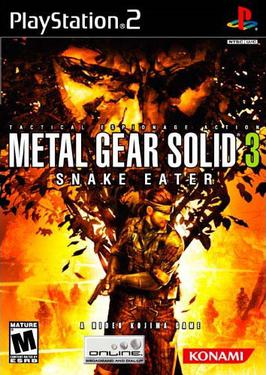
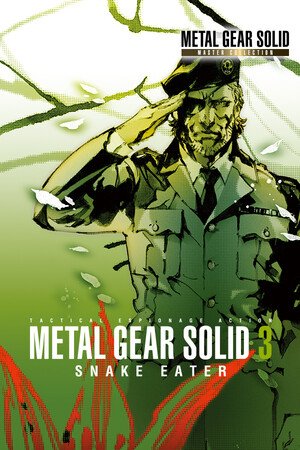
Metal Gear Solid 3: Snake Eater
PlayStation 2Xbox 360PS3VitaStealthMainlineMetal Gear Solid 3: Snake Eater (2004) is 1964 jungle espionage—Naked Snake, camouflage, and the Boss.
- Overview
- Survival stealth with face paint, hunting, and CQC that rewrote series origin myths. Later chapters still answer the stealth systems and themes this entry set.
- In-game setting
- 1964 Virtuous Mission / Snake Eater. Story-tab opener for Big Boss’s path. Neighboring story-order titles cover chronology if you skip optional branches.
- Should you play it?
- Best chronological start for many. Δ Snake Eater remake is the 2025 modern edition. Current storefront editions and collections are the practical buy.
- Release date
- US November 17, 2004 on PS2; HD collections later; Δ remake 2025.
 Optional
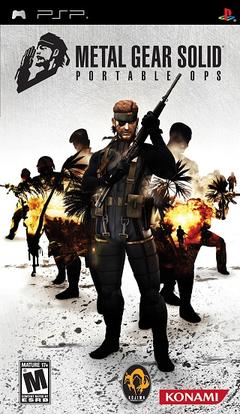
Metal Gear Solid: Portable Ops
PSPStealthOptionalMetal Gear Solid: Portable Ops (2006) is PSP squad stealth—1970 San Hieronymo and early Big Boss myth building.
- Overview
- Recruit-and-command soldiers in a portable tactical Metal Gear campaign. Later chapters still answer the stealth systems and themes this entry set.
- In-game setting
- 1970 bridge toward Peace Walker. Skip only if you accept soft-canon gaps. Neighboring story-order titles cover chronology if you skip optional branches.
- Should you play it?
- Optional for some canon debates; listed for chronology completeness. Current storefront editions and collections are the practical buy.
- Release date
- US December 5, 2006 on PSP. No easy modern remaster—emulation/original hardware.
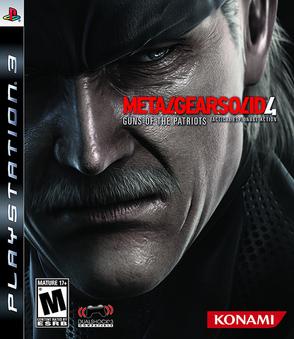
Metal Gear Solid 4: Guns of the Patriots
PlayStation 3StealthMainlineMetal Gear Solid 4: Guns of the Patriots (2008) ages Snake through a war-economy finale against the Patriots.
- Overview
- OctoCamo, Metal Gear Mk. II assist, and cinematic set pieces that close the Solid Snake arc. Later chapters still answer the stealth systems and themes this entry set.
- In-game setting
- 2014 Liquid Ocelot war. Caps Snake’s numbered Solid saga before Rising’s spin. Metal Gear Solid 4: Guns of the Patriots (2008) ages Snake through a war-economy finale against the Patriots.
- Should you play it?
- PS3-era finale—play after MGS2. Still awkward to rebuy officially in some regions. Current storefront editions and collections are the practical buy.
- Release date
- US June 12, 2008 on PlayStation 3. Limited reissue history—check local storefront legality.
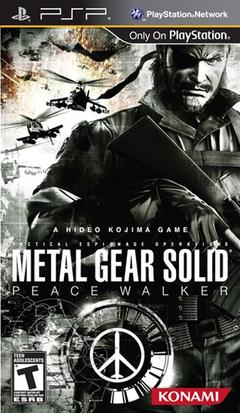
Metal Gear Solid: Peace Walker
PSPPS3Xbox 360StealthMainlineMetal Gear Solid: Peace Walker (2010) builds Mother Base in 1974 Costa Rica—coop bosses and army management.
- Overview
- Base-building stealth that directly prototypes MGSV’s Mother Base fantasy on PSP hardware. Later chapters still answer the stealth systems and themes this entry set.
- In-game setting
- 1974 MSF rise. Leads into Ground Zeroes / Phantom Pain. Neighboring story-order titles cover chronology if you skip optional branches.
- Should you play it?
- Important Big Boss bridge. HD Edition on PS3/360 helps. Current storefront editions and collections are the practical buy.
- Release date
- US June 8, 2010 on PSP; HD Edition later on PS3/Xbox 360.
 Optional
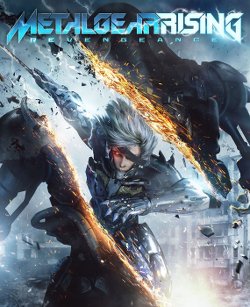
Metal Gear Rising: Revengeance
PS3Xbox 360PCActionOptionalMetal Gear Rising: Revengeance (2013) is Raiden’s PlatinumGames sword ballet—optional post-MGS4 cyborg spectacle.
- Overview
- Blade Mode zipping and parry-centric action instead of sneaking percentages. Later chapters still answer the stealth systems and themes this entry set.
- In-game setting
- 2018 Raiden arc. Skip on a Big Boss–only chronology if desired. Neighboring story-order titles cover chronology if you skip optional branches.
- Should you play it?
- Optional spin after MGS4. Fine as a style detour, not stealth homework. Current storefront editions and collections are the practical buy.
- Release date
- US February 19, 2013 on PS3/Xbox 360; PC January 2014. Platforms: PS3, Xbox 360, PC.
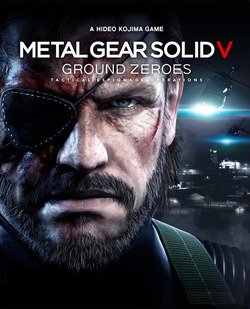
Metal Gear Solid V: Ground Zeroes
PS3PS4Xbox 360Xbox OnePCStealthMainlineMetal Gear Solid V: Ground Zeroes (2014) is the short 1975 prologue—Camp Omega stealth before Phantom Pain.
- Overview
- Fox Engine vertical slice with tape collecting and brutal MSF fallout setup. Later chapters still answer the stealth systems and themes this entry set.
- In-game setting
- 1975 GZ. Directly seeds The Phantom Pain’s opening trauma. Neighboring story-order titles cover chronology if you skip optional branches.
- Should you play it?
- Required before TPP for story. Often bundled / Definitive experiences. Current storefront editions and collections are the practical buy.
- Release date
- US March 18, 2014 on PS3/PS4/360/One/PC. Platforms: PS3, PS4, Xbox 360, Xbox One, PC.
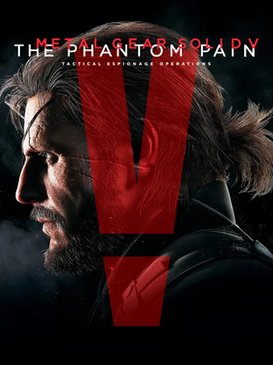
Metal Gear Solid V: The Phantom Pain
PS3PS4Xbox 360Xbox OnePCStealthMainlineMetal Gear Solid V: The Phantom Pain (2015) is 1984 open-world Mother Base war—Big Boss’s longest infiltration sandbox.
- Overview
- Open-world stealth, Fulton extraction, and tape-driven lore on Fox Engine freedom. Later chapters still answer the stealth systems and themes this entry set.
- In-game setting
- 1984 Afghanistan/Central Africa. Incomplete story debates are FAQ territory. Metal Gear Solid V: The Phantom Pain (2015) is 1984 open-world Mother Base war—Big Boss’s longest infiltration sandbox.
- Should you play it?
- Big Boss path climax. Play after Ground Zeroes (and ideally Peace Walker). Current storefront editions and collections are the practical buy.
- Release date
- US September 1, 2015 on PS3/PS4/360/One/PC. Definitive Edition bundles GZ.
 Preferred
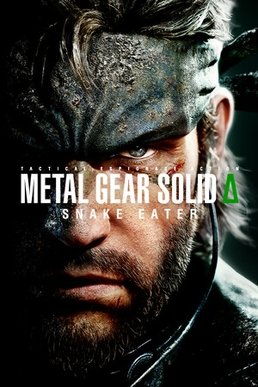
Metal Gear Solid Δ: Snake Eater
PS5Xbox Series X/SPCStealthRemakeMetal Gear Solid Δ: Snake Eater (2025) remakes the 1964 jungle classic for current-gen stealth audiences.
- Overview
- Modernized MGS3 presentation while preserving CQC camouflage fantasy for new hardware. Later chapters still answer the stealth systems and themes this entry set.
- In-game setting
- Replaces legacy MGS3 editions for most newcomers. Chronology still 1964. Neighboring story-order titles cover chronology if you skip optional branches.
- Should you play it?
- Preferred 2026 way to play Snake Eater. Same Story slot as MGS3. Current storefront editions and collections are the practical buy.
- Release date
- US 2025 on PS5, Xbox Series X|S, and PC. Platforms: PS5, Xbox Series X/S, PC.
FAQ
First playthrough: release vs story order, Previous Operations shortcut, three starter paths, Master Collection, and optional spin-off spoilers.
Release order
Release order. Kojima wrote each game assuming you had played the previous shipped title—prequels MGS3 and MGSV land mid-series like Star Wars prequels after the originals. Story order is cleaner for calendar years but you miss deliberate callbacks (for example Ocelot hits differently if you met him in MGS1 before MGS3). Use Story order on a second run or when you only care about lore dates.
Release order follows Konami's launch dates (1987 MSX through 2025 Delta). Story order starts with MGS3 in 1964 and ends with MGS4 in 2014—prequels MGS3, Peace Walker, and MGSV were made after MGS1 and MGS2. Use Release order for first playthroughs and how the series evolved; use Story order to follow Big Boss then Solid Snake without year jumps on a replay.
Most newcomers: Metal Gear Solid (1998 or Master Collection Vol. 1) in release order—that is the community default. Lore-first second option: Story order from MGS3 or Delta, then Peace Walker and MGSV. Modern-controls option: MGSV: The Phantom Pain first, then backfill—spoilers land out of order. Vol. 1 is the best single buy for MSX through MGS3; Vol. 2 covers MGS4 and Peace Walker HD.
Story & characters
Naked Snake becomes Big Boss (MGS3 through MGSV). You mostly play as Venom Snake in The Phantom Pain—the body double whose legend bridges into MSX Metal Gear (1995). Solid Snake is a clone (Liquid and Solidus too) who leads from Metal Gear and MGS1–4. Story order runs Big Boss's arc first, then Solid Snake's; release order jumps around because prequels shipped after MGS1 and MGS2.
Optional & spin-offs
Collections & remakes
More timelines
Other release-order and story-order guides on this site.
- Game series
Resident Evil
Resident Evil release and story order (1996–2026), DLC placement, remake vs classic…
- Game series
Fallout
Fallout release and story order (1997–2018), in-universe chronology, DLC placement,…
- Game series
Halo
Halo release and story order (2001–2021), Master Chief chronology 2531–2560, ODST…
- Game series
Death Stranding
Death Stranding release and story order (2019–2026)—Director's Cut, On the Beach, and…
- Media
James Bond
Eon Productions James Bond movies in US theatrical release order—all 25 films from Dr.…
- Media
Bourne
Bourne movies in US theatrical release order and practical Matt Damon story path—five…
- Game series
Ace Combat
Ace Combat release order and Strangereal story chronology—Air Combat through Ace…