
Release & story order
Halo games in order
Halo timeline and Halo games in order—Master Chief saga, ODST and Reach placement, and US release dates FAQ. Halo from Combat Evolved through Infinite—US release dates, in-universe chronology from the Human-Covenant War to Zeta Halo, and how ODST, Reach, novels, and Spartan Ops fit around the numbered games. Release covers ship dates: When each game shipped on Xbox/PC. Combat Evolved launched in 2001; Reach and ODST came later but take place earlier in the story. Story follows fiction: When events happen in fiction, from the early Human-Covenant War through the conflict on Zeta Halo. Use Start Here and Essentials for a 2026 default path; FAQ covers remasters, spin-offs, and skip costs.
Pick your path:
Where to start
Pick Original trilogy for Combat Evolved through Halo 3 (add ODST after Halo 2), or Full FPS saga through Infinite. Halo Wars RTS entries stay on the full list—use Hide optional.
- Master Chief Collection bundles CE through Reach plus ODST and Halo 4 on modern Xbox/PC
- Story-first fans should switch to Story order—Reach before CE, ODST after Halo 2
- Halo 5 and Infinite continue the Reclaimer saga after Halo 4
- TV and films: Halo film & TV timeline
Release order
When each game shipped on Xbox/PC. Combat Evolved launched in 2001; Reach and ODST came later but take place earlier in the story. The Master Chief Collection bundles the classic FPS entries on modern platforms.
- Classic path → Halo: Combat Evolved → 2 → 3 → ODST → Reach → 4 → 5 → Infinite
- Story-first path → switch to Story order (Reach before CE; ODST after Halo 2)
- One purchase → The Master Chief Collection covers CE through Reach + ODST + 4 (Halo 5 and Infinite sold separately)
- Skip Halo Wars unless you want RTS prequel context (2531)
Story order tips
When events happen in fiction, from the early Human-Covenant War through the conflict on Zeta Halo. Most of 2552 is packed into Reach → Combat Evolved → Halo 2 → ODST → Halo 3—see Story order for exact placement.
- Core arc: Wars (2531, optional) → Reach → CE → H2 → ODST → H3 → 4 → 5 → Wars 2 (2559, optional) → Infinite
- Novel Fall of Reach predates CE on the calendar but most fans play CE first—explained in the questions below; the Reach game overrides book details where they clash
- Between Halo 4 and 5: Spartan Ops (10 episodes), Forward Unto Dawn, and novels like Silentium—optional; see Halo film & TV timeline for watch order
- Spartan Assault (2554) and Spartan Strike are optional—not on Story order; see the questions below
- On Story order, some entries are hidden to avoid spoilers—click to reveal them, or turn on Show all spoilers
Story order
When events happen in fiction, from the early Human-Covenant War through the conflict on Zeta Halo. Most of 2552 is packed into Reach → Combat Evolved → Halo 2 → ODST → Halo 3—see Story order for exact placement.
- Core arc: Wars (2531, optional) → Reach → CE → H2 → ODST → H3 → 4 → 5 → Wars 2 (2559, optional) → Infinite
- Novel Fall of Reach predates CE on the calendar but most fans play CE first—explained in the questions below; the Reach game overrides book details where they clash
- Between Halo 4 and 5: Spartan Ops (10 episodes), Forward Unto Dawn, and novels like Silentium—optional; see Halo film & TV timeline for watch order
- Spartan Assault (2554) and Spartan Strike are optional—not on Story order; see the questions below
- On Story order, some entries are hidden to avoid spoilers—click to reveal them, or turn on Show all spoilers
Timeline
When each game was released. Click a game for platforms, dates, and where it fits in your playthrough.
Release order
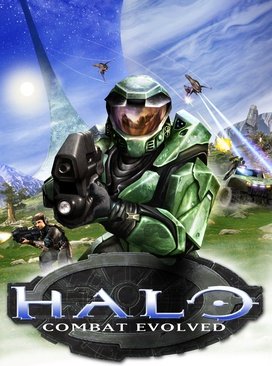
Halo: Combat Evolved
XboxPCFPSMainlineHalo: Combat Evolved (2001) puts Master Chief and Cortana on Installation 04—the ringworld mystery that made Xbox a console FPS destination.
- Overview
- Bungie’s vehicle sandbox, grenade-gun-melee loop, and mysterious Forerunner lore proved consoles could carry a blockbuster campaign.
- In-game setting
- Late 2552: Pillar of Autumn escapes Reach, crash-lands on Halo, fights Covenant, and unleashes the Flood. Direct setup for Halo 2.
- Should you play it?
- Iconic gameplay start. Story fans often play Reach first—see Story order. Adaptations sit on Halo media.
- Release date
- US Xbox launch November 15, 2001. PC port 2003; Anniversary 2011; included in MCC.
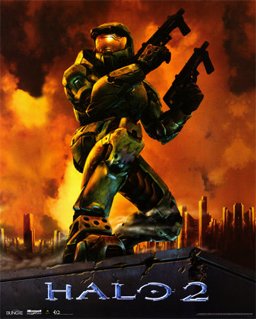
Halo 2
XboxPCFPSMainlineHalo 2 splits the campaign between Chief on Earth and the Arbiter in Covenant space—Xbox Live’s multiplayer phenomenon of its generation.
- Overview
- Playable Arbiter reveals Covenant politics; online matchmaking made Halo a living room sport. Dual campaigns redefine the sequel structure.
- In-game setting
- 2552: New Mombasa defense, Delta Halo, and the cliffhanger into Halo 3. Arbiter’s path reframes the war’s ideology.
- Should you play it?
- Play after Combat Evolved on both tabs. ODST slots after Metropolis—see FAQ. Screen extras on Halo media.
- Release date
- US Xbox November 9, 2004. Anniversary in MCC; PC via MCC 2020.
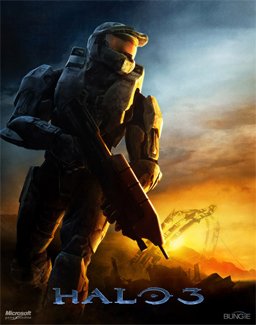
Halo 3
Xbox 360PCFPSMainlineHalo 3 closes the Human-Covenant War trilogy on Xbox 360—Earth, the Ark, and the Chief/Cortana farewell that defined a generation.
- Overview
- Theater mode, Forge, and epic finale set pieces capped Bungie’s mainline run before Reach’s prequel swing. Halo 3 closes the Human-Covenant War trilogy on Xbox 360—Earth, the Ark, and the Chief/Cortana farewell that defined a generation.
- In-game setting
- 2552–2553: Flood containment, Truth’s final play, and Chief’s cryo send-off that Halo 4 picks up years later.
- Should you play it?
- Play after Halo 2; insert ODST between them on Story. MCC is the modern package for this arc. MCC bundles remain the easiest way to replay classic campaigns on modern hardware.
- Release date
- US Xbox 360 September 25, 2007; later MCC/PC. Legendary Edition bundles were common at retail.
 Optional
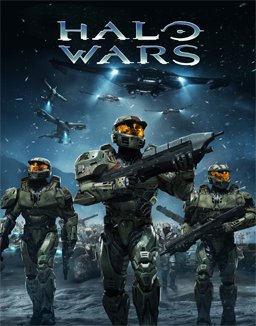
Halo Wars
Xbox 360PCRTSOptionalSpin-offHalo Wars is an optional RTS prequel (2531) about the Spirit of Fire—skip on a Chief-only FPS path, keep if you want early Covenant-war context.
- Overview
- Console-friendly Halo RTS with base building and scarab-scale battles outside the FPS sandbox. Halo Wars is an optional RTS prequel (2531) about the Spirit of Fire—skip on a Chief-only FPS path, keep if you want early Covenant-war context.
- In-game setting
- 2531 Harvest/Arcadia campaign. Story placement is earliest main entry—decades before 2552’s ring wars. Halo Wars is an optional RTS prequel (2531) about the Spirit of Fire—skip on a Chief-only FPS path, keep if you want early Covenant-war context.
- Should you play it?
- Optional on both tabs. Not required before Reach or Combat Evolved; Wars 2 continues this lane later. MCC bundles remain the easiest way to replay classic campaigns on modern hardware.
- Release date
- US Xbox 360 February 28, 2009; later PC Definitive Edition. Separate from MCC FPS bundle.
Halo 3: ODST
Xbox 360PCFPSMainlineHalo 3: ODST drops you into New Mombasa as a silent Orbital Drop Shock Trooper—noir investigation overlapping Halo 2’s city fight.
- Overview
- Firefight mode and a quieter detective structure break from Chief’s power fantasy while staying inside the same war week.
- In-game setting
- 2552 October: Superintendent data trail through occupied New Mombasa while Halo 2’s wider war continues overhead.
- Should you play it?
- Play after Halo 2’s Metropolis (or after finishing Halo 2). Bundled in many MCC editions. MCC bundles remain the easiest way to replay classic campaigns on modern hardware.
- Release date
- US Xbox 360 September 22, 2009; MCC includes the campaign and Firefight on supported platforms.
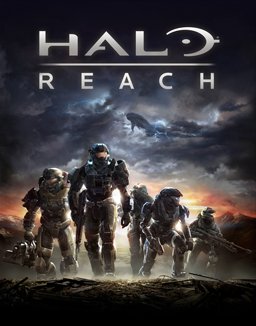
Halo: Reach
Xbox 360PCFPSMainlinePrequelHalo: Reach is the tragic prequel about Noble Team defending Reach—often the best Story-first starting point before Combat Evolved.
- Overview
- Loadout armor abilities, assassination culture, and a doomed campaign tone that recontextualizes the Autumn’s escape.
- In-game setting
- 2552 August: Fall of Reach, Noble Six’s last stand, and the Pillar of Autumn handoff into Combat Evolved. Halo: Reach is the tragic prequel about Noble Team defending Reach—often the best Story-first starting point before Combat Evolved.
- Should you play it?
- Release order places it after ODST; Story order puts it before CE. Strongly recommended before the trilogy if you want chronology. MCC bundles remain the easiest way to replay classic campaigns on modern hardware.
- Release date
- US Xbox 360 September 14, 2010; included in MCC. PC via MCC.
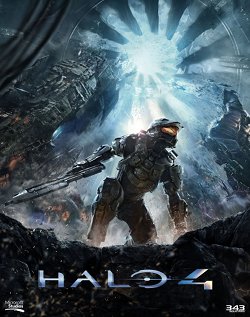
Halo 4
Xbox 360PCFPSMainlineHalo 4 begins 343 Industries’ Reclaimer saga—Chief wakes on Requiem, Forerunner Didact threats, and Cortana’s deteriorating arc.
- Overview
- Sprint-era FPS modernization plus Forerunner mythology that shifts antagonists beyond the Covenant alone. Halo 4 begins 343 Industries’ Reclaimer saga—Chief wakes on Requiem, Forerunner Didact threats, and Cortana’s deteriorating arc.
- In-game setting
- 2557 Requiem: Didact conflict and Cortana’s sacrifice setup that Halo 5 controversially continues. Halo 4 begins 343 Industries’ Reclaimer saga—Chief wakes on Requiem, Forerunner Didact threats, and Cortana’s deteriorating arc.
- Should you play it?
- Play after the Bungie trilogy (+ Reach/ODST as you prefer). Spartan Ops and novels are optional between 4 and 5—see Halo media. MCC bundles remain the easiest way to replay classic campaigns on modern hardware.
- Release date
- US Xbox 360 November 6, 2012; later MCC. First mainline 343 campaign.
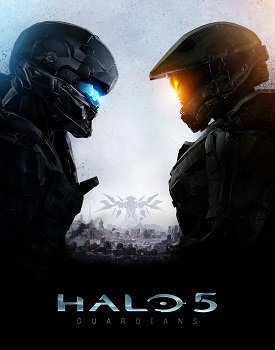
Halo 5: Guardians
Xbox OnePCFPSMainlineHalo 5: Guardians splits focus between Chief and Locke’s Fireteam Osiris across Sanghelios and Guardians awakening—divisive but required for Infinite setup.
- Overview
- Clambering movement, arena multiplayer focus, and dual-protagonist campaign structure mark 343’s mid-saga swing.
- In-game setting
- 2558: Guardians rise, Cortana’s Created conflict begins, and Blue Team / Osiris threads seed Infinite. Halo 5: Guardians splits focus between Chief and Locke’s Fireteam Osiris across Sanghelios and Guardians awakening—divisive but required for Infinite setup.
- Should you play it?
- Play after Halo 4. Xbox One-era entry long sold separately from early MCC; check current storefront bundles.
- Release date
- US Xbox One October 27, 2015; PC release later. Not in the original MCC disc set.
 Optional
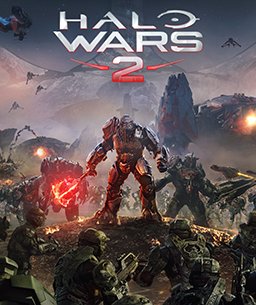
Halo Wars 2
Xbox OnePCRTSOptionalSpin-offHalo Wars 2 returns to the Spirit of Fire in 2559 against Atriox’s Banished on the Ark—optional RTS between Halo 5 and Infinite.
- Overview
- Blizzard-assisted RTS sequel with Banished hierarchy that Infinite later makes central in the FPS lane. Halo Wars 2 returns to the Spirit of Fire in 2559 against Atriox’s Banished on the Ark—optional RTS between Halo 5 and Infinite.
- In-game setting
- 2559 Ark campaign vs Atriox. Story sits after Halo 5, before Infinite’s Zeta Halo war. Halo Wars 2 returns to the Spirit of Fire in 2559 against Atriox’s Banished on the Ark—optional RTS between Halo 5 and Infinite.
- Should you play it?
- Optional. Helpful Banished context before Infinite, not required if you only play shooters. MCC bundles remain the easiest way to replay classic campaigns on modern hardware.
- Release date
- US Xbox One / PC February 21, 2017. Separate from MCC; Game Pass often carries it.
Halo Infinite
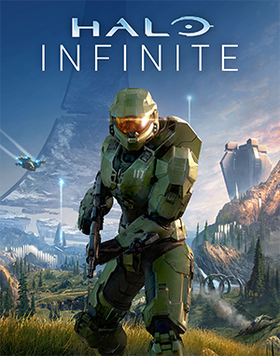
Xbox Series X|SPCFPSMainlineOpen worldHalo Infinite open-worlds Zeta Halo against the Banished—Chief’s 2560 return after the Created crisis, with live-service multiplayer alongside the campaign.
- Overview
- Grappleshot open-zone FPS structure and Banished-focused campaign refresh the sandbox after arena-linear Halo 5.
- In-game setting
- 2560 Zeta Halo: Weapon AI partnership, Harbinger mysteries, and Banished occupation after the Created war’s fallout.
- Should you play it?
- Current mainline endpoint. Play after Halo 5 (and optionally Wars 2 for Banished). Media extras on Halo media.
- Release date
- US December 8, 2021 on Xbox Series X|S, Xbox One, and PC. Campaign and multiplayer storefront splits varied after launch.
FAQ
Three ways to follow Halo (release, story, full transmedia), MCC bundles, ODST placement, Fall of Reach vs Reach, and optional books or live-service content.
Release order
Story & 2552
Optional & spin-offs
TV, books & EU
More timelines
Other release-order and story-order guides on this site.
- Media
Halo Media
Halo film and TV watch order (2007–2024)—Landfall, Legends, Forward Unto Dawn,…
- Game series
Gears of War
Gears of War release and story order (2006–2026)—Marcus trilogy, Judgment, Tactics,…
- Game series
Battlefield
Battlefield release and setting order (2002–2025)—1942 through Battlefield 6, Bad…
- Game series
Call of Duty
Call of Duty release and story order (2003–2026)—Black Ops saga, Modern Warfare reboot…
- Game series
Destiny
Destiny games in order—Destiny 1 through The Taken King, Destiny 2, Beyond Light and…
- Game series
Ace Combat
Ace Combat release order and Strangereal story chronology—Air Combat through Ace…