
Release & story order
Tomb Raider games in order
Tomb Raider games in order—Classic Core, Legend trilogy, and Survivor reboot paths with release vs story FAQ. Tomb Raider from Core Design's 1996 original through Crystal Dynamics' Survivor reboot and the upcoming Legacy of Atlantis—US release dates, three saga continuities (Classic, Legend, Survivor), studio reboots explained in the questions below, and why newcomers start with the 2013 game.
Pick your path:
Where to start
Pick Survivor trilogy for 2013 reboot → Rise → Shadow, or Classic for Tomb Raider (1996) through Anniversary on this page. Essentials trims Tomb Raider to the chapters most players should finish first; hide optional rows when you want a shorter checklist.
- Survivor trilogy is one continuous Lara arc
- Classic and Legend eras are separate continuities—FAQ
- Legacy of Atlantis (2027) will join Release when it ships
Release order
When Core Design and Crystal Dynamics shipped each mainline chapter—Classic Core (1996–2003), the Legend-era trilogy (2006–2008), the Survivor reboot (2013–2018), plus Tomb Raider: Legacy of Atlantis planned for February 2027.
- Newcomers → Tomb Raider (2013) → Rise of the Tomb Raider → Shadow of the Tomb Raider
- Classic fans → Release order from 1996 through Angel of Darkness, then skip to Legend if you want modern controls
- Legend path → Legend → Anniversary → Underworld—Anniversary replaces playing TR1 (1996) for that continuity
- Full release history → Every mainline entry below; mobile and Lara Croft spin-offs stay in the questions below
Story order tips
Three separate continuities on the Story tab—Survivor (recommended), Classic Core, and Legend—plus upcoming unified chapters. Pick one colored section and play top to bottom; do not mix them into one plot.
- Survivor block: Yamatai (2013 game) → Siberia (Rise) → Mexico/Peru (Shadow)—play back-to-back
- Classic Core (alternate continuity): TR1 → TR2 → TR3 → Last Revelation → Chronicles → Angel of Darkness
- Legend era (alternate continuity): Legend → Anniversary → Underworld
- Crystal's unified canon places Survivor before future Legacy of Atlantis / Catalyst chapters—dates still settling
Story order
Three separate continuities on the Story tab—Survivor (recommended), Classic Core, and Legend—plus upcoming unified chapters. Pick one colored section and play top to bottom; do not mix them into one plot.
- Survivor block: Yamatai (2013 game) → Siberia (Rise) → Mexico/Peru (Shadow)—play back-to-back
- Classic Core (alternate continuity): TR1 → TR2 → TR3 → Last Revelation → Chronicles → Angel of Darkness
- Legend era (alternate continuity): Legend → Anniversary → Underworld
- Crystal's unified canon places Survivor before future Legacy of Atlantis / Catalyst chapters—dates still settling
Timeline
When each game was released. Click a game for platforms, dates, and where it fits in your playthrough.
Release order
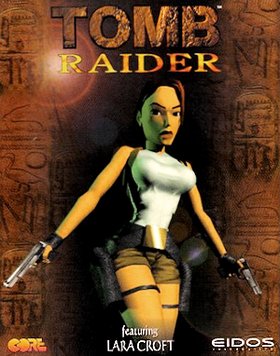
Tomb Raider
PlayStationPCSega SaturnActionMainlineClassicTomb Raider (1996) introduces Lara Croft's first expedition across Peru, Greece, Egypt, and the Lost Valley as she races Natla for the Scion. Core Design's PS1 classic defined 3D action-adventure tombs for a generation.
- Overview
- Grid-based tank controls, dual pistols, and cinematic tomb set-pieces on PlayStation/Saturn/PC. Tomb Raider (1996) introduces Lara Croft's first expedition across Peru, Greece, Egypt, and the Lost Valley as she races Natla for the Scion.
- In-game setting
- Classic opener—Natla, the Scion, Croft Manor tutorial. Remake path: Tomb Raider: Anniversary. Related media watch order: Tomb Raider movies.
- Should you play it?
- Start of Classic Core continuity—separate from Legend and Survivor. Remade as Anniversary (2007) inside the Legend path.
- Release date
- US launch October 25, 1996 (PlayStation, Sega Saturn); PC followed. Later on Steam and mobile reissues.
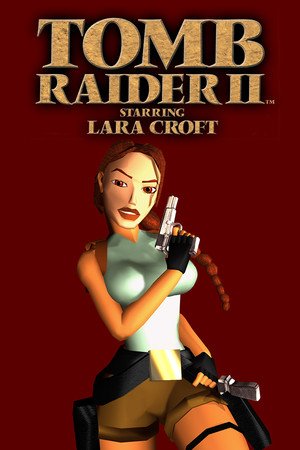
Tomb Raider II
PlayStationPCActionMainlineClassicTomb Raider II sends Lara after the Dagger of Xian—from the Great Wall to Venice and a sunken Maria Doria. Vehicles and outdoor hubs expand Core Design's formula without leaving Classic continuity.
- Overview
- Boat, skidoo, and denser enemy combat outside pure tombs. Vertical levels and city infiltration broaden the adventure template set in 1996.
- In-game setting
- Marco Bartoli and the Tibetan climax close Classic chapter two. Next: Tomb Raider III. Spin-offs are optional.
- Should you play it?
- Play after Tomb Raider (1996) on Classic path only—not after Survivor or Legend. Skip if you only want the 2013 reboot trilogy.
- Release date
- US PlayStation and PC launch October 31, 1997. Platforms: PlayStation, PC.
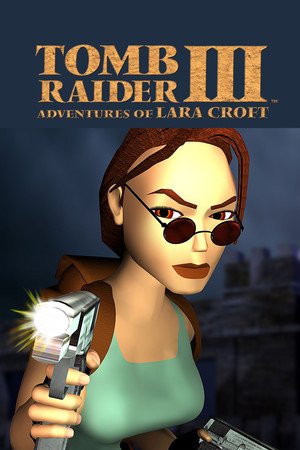
Tomb Raider III
PlayStationPCActionMainlineClassicTomb Raider III: Adventures of Lara Croft hunts meteorite artifacts across India, London, Nevada, and Antarctica. Non-linear region hubs and a steeper difficulty curve define late-90s Classic Lara.
- Overview
- Choose order inside regions, stealth sections, and quad-bike set pieces. Harder platforming cemented its reputation as a demanding Classic entry.
- In-game setting
- Tomb Raider III: Adventures of Lara Croft hunts meteorite artifacts across India, London, Nevada, and Antarctica. Dr. Willard and four meteorite stones. Next Classic: The Last Revelation.
- Should you play it?
- Third Classic Core release and story beat—after TR2, before The Last Revelation. Not part of Survivor or Legend continuities.
- Release date
- US PlayStation and PC launch November 20, 1998 (subtitle Adventures of Lara Croft on packaging).
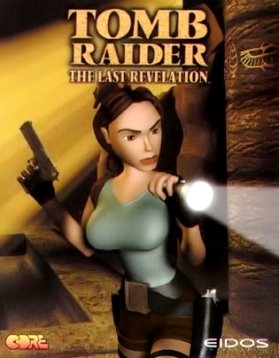
Tomb Raider: The Last Revelation
PlayStationPCDreamcastActionMainlineClassicTomb Raider: The Last Revelation mixes young-Lara Cambodia flashbacks with a dark Egypt campaign against Set—marketed as a possible finale. Torch puzzles and denser narrative tone mark mature Classic Lara.
- Overview
- Flashback structure, inventory torch lighting, and a continuous Egypt hub. Sold as Lara's last adventure before Chronicles and Angel of Darkness continued Classic.
- In-game setting
- Tomb Raider: The Last Revelation mixes young-Lara Cambodia flashbacks with a dark Egypt campaign against Set—marketed as a possible finale. Set's armor and Cairo climax. Framing sequel anthology: Tomb Raider Chronicles.
- Should you play it?
- Play after Tomb Raider III on Classic path; leads into Chronicles framing. Ignore if following Survivor-only.
- Release date
- US launch November 22, 1999 on PlayStation and PC; Dreamcast version followed.
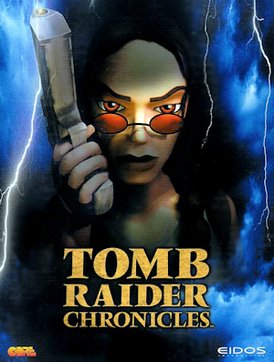
Tomb Raider Chronicles
PlayStationPCDreamcastActionMainlineClassicTomb Raider Chronicles is a memorial anthology—four flashback missions framed at Croft Manor after Last Revelation's events. Shorter standalone chapters bridge toward Angel of Darkness.
- Overview
- Anthology format with Rome, submarine, and tower stealth chapters. Lighter structure than prior numbered epics, still Classic continuity.
- In-game setting
- Tomb Raider Chronicles is a memorial anthology—four flashback missions framed at Croft Manor after Last Revelation's events. Episodes set before Last Revelation; frame story sets up Angel of Darkness.
- Should you play it?
- Optional on Classic path—mostly side episodes; play before Angel of Darkness for full Classic closure. Skip on Survivor/Legend routes.
- Release date
- US launch November 24, 2000 on PlayStation, PC, and Dreamcast.

Tomb Raider: The Angel of Darkness
PlayStation 2PCActionMainlineClassicTomb Raider: The Angel of Darkness strands Lara in a Paris murder mystery with Kurtis Trent and a Nephilim plot. Buggy stealth systems ended Core Design's run and pushed Eidos to hand the series to Crystal Dynamics.
- Overview
- Attempted conversation trees, strength upgrades, and stealth on PS2/PC. Ambitious systems shipped unfinished—historically important as Classic's troubled finale.
- In-game setting
- Von Croy murder frame and unresolved Nephilim threads. Next studio era: Tomb Raider: Legend. Films parallel: Tomb Raider movies.
- Should you play it?
- End of Classic Core—Crystal Dynamics rebooted with Legend (2006), a new continuity, not an AoD sequel. Follow Start Here if you want the shortest 2026 checklist that still includes this chapter.
- Release date
- US PlayStation 2 and PC launch June 20, 2003. Last mainline from Core Design.
Tomb Raider: Legend
PlayStation 2XboxXbox 360PCActionMainlineLegendTomb Raider: Legend is Crystal Dynamics' soft reboot—Bolivia to Ghana and King Arthur's tomb with modern controls and a personal Amelia Croft mystery. New continuity, not a sequel to Angel of Darkness.
- Overview
- Grappling hook, fluid traversal, and cinematic set-pieces rebuilt Lara for mid-2000s hardware after AoD's failure. Opens the Legend trilogy path.
- In-game setting
- Legend continuity opener—Amanda Evert and Excalibur hunt. Next: Anniversary remake of the 1996 plot in this timeline.
- Should you play it?
- Start Legend path here; skip Classic unless you want 1996–2003 first. Continues into Anniversary then Underworld. Survivor reboot arrives later in 2013.
- Release date
- US launch April 11, 2006 on PlayStation 2, Xbox, Xbox 360, and PC.
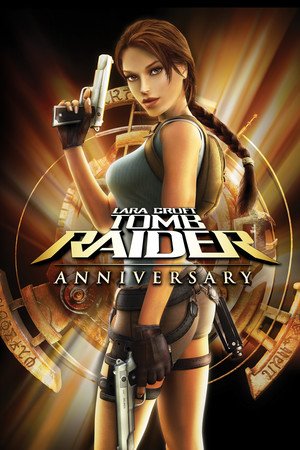
Tomb Raider: Anniversary
PlayStation 2PlayStation PortableXbox 360PCActionMainlineLegendRemakeTomb Raider: Anniversary remakes the 1996 Natla/Scion arc in the Legend-era engine—same broad plot, new layouts and controls. It replaces playing TR1 (1996) on the Legend path.
- Overview
- Rebuilt Peru–Greece–Egypt–Atlantis route with Legend traversal and puzzle redesign. Remake-as-mid-trilogy chapter is unusual franchise structure.
- In-game setting
- Tomb Raider: Anniversary remakes the 1996 Natla/Scion arc in the Legend-era engine—same broad plot, new layouts and controls. Legend-era remake of game one. Trilogy closer: Tomb Raider: Underworld.
- Should you play it?
- Play after Legend, before Underworld—not a new post-Underworld chapter. Classic fans comparing versions can try 1996 TR1 separately.
- Release date
- US launch June 5, 2007 on PS2, PSP, Xbox 360, and PC. Platforms: PlayStation 2, PlayStation Portable, Xbox 360, PC.
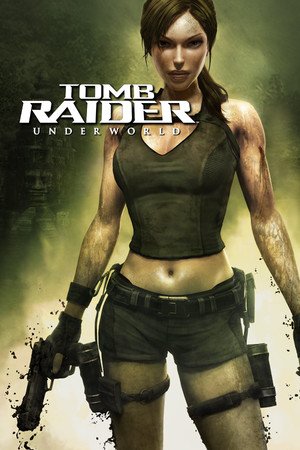
Tomb Raider: Underworld
PlayStation 3Xbox 360PlayStation 2PCActionMainlineLegendTomb Raider: Underworld closes the Legend trilogy with Thor's hammer, Avalon, and Amelia—direct sequel to Legend after Anniversary's remake interlude. Seamless tombs and underwater hubs define late Crystal Legend Lara.
- Overview
- Larger continuous spaces, underwater exploration, and mythology crossover finales. Ends Legend-era continuity on then-current consoles.
- In-game setting
- Natla and Amelia threads converge. Next Crystal reboot: Tomb Raider (2013). Media: Tomb Raider movies.
- Should you play it?
- End Legend path; Crystal's future Catalyst is described as years after Underworld in unified plans. Survivor trilogy is a separate continuity start in 2013.
- Release date
- US launch November 18, 2008 on PlayStation 3, Xbox 360, PlayStation 2, and PC.
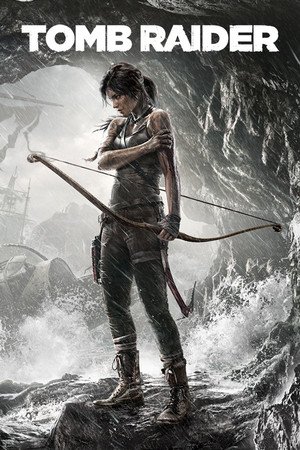
Tomb Raider
PlayStation 3Xbox 360PCActionMainlineSurvivorTomb Raider (2013) fully reboots Lara—shipwrecked on Yamatai, forced into her first kill amid Himiko's storm and the Solarii cult. Default modern starting point despite sharing a title with 1996.
- Overview
- Survival crafting, bow focus, and cinematic origin storytelling from Crystal Dynamics under Square Enix. Third continuity after Classic and Legend.
- In-game setting
- Survivor opener—Himiko and Yamatai. Direct sequel: Rise of the Tomb Raider. Netflix/film branches: Tomb Raider movies.
- Should you play it?
- Start Survivor path here → Rise → Shadow. Prefer Definitive Edition on PS4/Xbox One if available. Not a sequel to Underworld.
- Release date
- US launch March 5, 2013 (PS3/Xbox 360/PC). Definitive Edition January 28, 2014 (PS4/Xbox One).
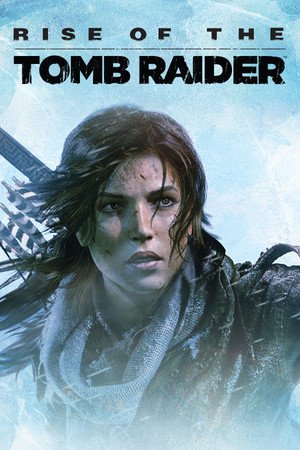
Rise of the Tomb Raider
Xbox OneXbox 360PCPlayStation 4ActionMainlineSurvivorRise of the Tomb Raider follows roughly a year after Yamatai—Siberia, the lost city of Kitezh, and Trinity's hunt for the Divine Source. Expands hubs, tombs, and crafting on the Survivor path.
- Overview
- Richer base camps, optional challenge tombs, and timed Xbox exclusivity before PS4/PC ports. Deepens Survivor Lara's obsession and Jonah partnership.
- In-game setting
- Rise of the Tomb Raider follows roughly a year after Yamatai—Siberia, the lost city of Kitezh, and Trinity's hunt for the Divine Source. Survivor middle chapter—Prophet of Constantinople threads. Finale: Shadow of the Tomb Raider.
- Should you play it?
- Play immediately after Tomb Raider (2013) on Survivor path. Next: Shadow of the Tomb Raider. Ignore Classic/Legend unless collecting every continuity.
- Release date
- US launch November 10, 2015 (Xbox One/Xbox 360); PC January 28, 2016; PlayStation 4 October 11, 2016.
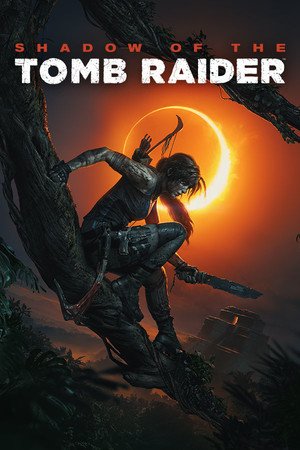
Shadow of the Tomb Raider
PlayStation 4Xbox OnePCActionMainlineSurvivorShadow of the Tomb Raider closes the Survivor trilogy in Mexico, Peru, and Paititi—Lara embraces the tomb raider identity while racing Trinity. Stealth and jungle hubs define the finale tone.
- Overview
- Stealth emphasis, difficulty modes, and dense jungle traversal on the trilogy's final engine pass. Definitive Edition later bundles DLC on modern stores.
- In-game setting
- Survivor finale until more unified chapters ship. Next announced mainline: Tomb Raider: Legacy of Atlantis (2027).
- Should you play it?
- End Survivor trilogy for now—play after Rise. Upcoming Legacy of Atlantis is a unified-timeline reimagining, not a direct Shadow plot sequel in the old sense.
- Release date
- US launch September 14, 2018 on PlayStation 4, Xbox One, and PC.
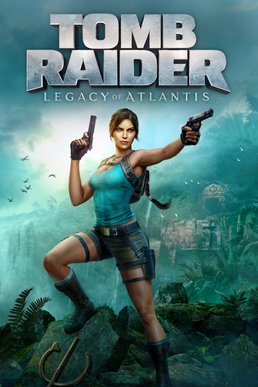
Tomb Raider: Legacy of Atlantis
PCPlayStation 5Xbox Series X/SNintendo Switch 2ActionMainlineUpcomingTomb Raider: Legacy of Atlantis reimagines the classic Natla/Scion story in Unreal Engine 5—announced for February 2027 with Crystal Dynamics and Flying Wild Hog. Not a straight 1996 port; part of Crystal's unified timeline plans.
- Overview
- UE5 reimagining with Amazon Game Studios publishing; Alix Wilton Regan voices Lara. Tomb Raider: Legacy of Atlantis reimagines the classic Natla/Scion story in Unreal Engine 5—announced for February 2027 with Crystal Dynamics and Flying Wild Hog.
- In-game setting
- Upcoming unified chapter—not a disc remaster of 1996. Related watch-alongs: Tomb Raider movies.
- Should you play it?
- Not released yet—play Survivor trilogy first unless you treat launch as a fresh entry. Verify date/platforms on store pages.
- Release date
- Planned February 12, 2027 (US) on PC, PlayStation 5, Xbox Series X/S, and Nintendo Switch 2. Deluxe pre-orders may include early access—confirm before buying.
FAQ
Three timelines, studio handoffs and reboots, Survivor vs Classic vs Legend paths, Anniversary placement, and spin-offs.
Optional & spin-offs
More timelines
Other release-order and story-order guides on this site.
- Game series
God of War
God of War release and story order (2005–2022), Greek prequels vs Norse saga, and…
- Game series
Assassin's Creed
Assassin's Creed release and historical story order (2007–2025), Ezio and RPG trilogy…
- Game series
Metro
Metro release and story order (2010–2027)—Metro 2033 through Exodus and upcoming Metro…
- Media
Tomb Raider Media
Tomb Raider film and Netflix watch order (2001–2025)—Angelina Jolie films, Alicia…