
Release & story order
Final Fantasy games in order
This Final Fantasy timeline lists every mainline chapter in release order and story order—most numbered entries are standalone worlds; VII, X, and XIII have connected arcs. Final Fantasy from the 1990 NES debut through Final Fantasy XVI and Final Fantasy VII Rebirth (2024)—US release dates, which numbered entries share one story, and FAQ for Pixel Remasters, Crisis Core, XIV A Realm Reborn, and spin-offs like Tactics.
Pick your path:
Where to start
Pick Newcomer for one modern entry (XVI or VII Rebirth), VII saga for Midgar through Rebirth, or Full mainline for every numbered US release on this page.
- Most numbered games are standalone worlds—no required order between them
- VII Compilation vs Remake/Rebirth split is in FAQ—essentials uses Remake path
- Skip FF XI unless you want legacy MMO—XIV is FAQ-only
Release order
When Square/Square Enix shipped each mainline chapter in the US—Final Fantasy (1990) through Final Fantasy VII Rebirth (2024), plus Final Fantasy XVI (2023). Pixel Remasters and HD ports are optional unless they are your only way to buy I–III on modern stores.
- Newcomers → pick one era (VII Remake, X, XII, XVI)—each numbered game is its own story
- Full franchise history → Release tab I through XVI + VII Remake/Rebirth entries
- VII fan path → Crisis Core Reunion → FF VII → Remake → Rebirth (see FAQ for Compilation vs Remake split)
- Skip FF XI unless you want a legacy MMO—XIV is the active online chapter
Story order tips
Most numbered Final Fantasy games are standalone worlds—play any one first. Connected sagas: VII (Crisis Core → VII → Remake → Rebirth branch), X (X → X-2), XIII (XIII → XIII-2 → Lightning Returns). Final Fantasy XIV is an ongoing MMO with its own timeline—not interchangeable with single-player entries.
- Standalone: I–VI, VIII, IX, XII, XV, XVI—no required order between them
- VII saga: Crisis Core → Final Fantasy VII → Remake → Rebirth (Dirge of Cerberus optional FAQ)
- X saga: Final Fantasy X → X-2 | XIII saga: XIII → XIII-2 → Lightning Returns
- On Story order, later saga entries may be hidden—reveal when ready or use Show all spoilers
Story order
Most numbered Final Fantasy games are standalone worlds—play any one first. Connected sagas: VII (Crisis Core → VII → Remake → Rebirth branch), X (X → X-2), XIII (XIII → XIII-2 → Lightning Returns). Final Fantasy XIV is an ongoing MMO with its own timeline—not interchangeable with single-player entries.
- Standalone: I–VI, VIII, IX, XII, XV, XVI—no required order between them
- VII saga: Crisis Core → Final Fantasy VII → Remake → Rebirth (Dirge of Cerberus optional FAQ)
- X saga: Final Fantasy X → X-2 | XIII saga: XIII → XIII-2 → Lightning Returns
- On Story order, later saga entries may be hidden—reveal when ready or use Show all spoilers
Timeline
When each game was released. Click a game for platforms, dates, and where it fits in your playthrough.
Release order
Final Fantasy
NESRPGMainlineFour Light Warriors—Crystal fantasy that named the franchise. It remains a key Release marker for NES (1990) and how players discuss where to start.
- Overview
- Square's Hironobu Sakaguchi 'final' RPG gamble—turn-based party combat and job system roots. Four Light Warriors—Crystal fantasy that named the franchise.
- In-game setting
- Standalone world—no story link to later numbered entries. Story beats and cast around Final Fantasy help align Release vs Story; skip only if tagged optional.
- Should you play it?
- Historical start—optional for modern players; Pixel Remaster is the easy PC port. Follow Start Here if you want the shortest 2026 checklist that still includes this chapter.
- Release date
- US NES launch July 12, 1990. Pixel Remaster on PC/mobile 2021. Prefer current digital editions when the original release is awkward to run.
Final Fantasy IV
SNESRPGMainlineCecil's redemption—Active Time Battle debut. It remains a key Release marker for SNES (1991) and how players discuss where to start.
- Overview
- US SNES launch as 'Final Fantasy II'—ATB combat and moral arc storytelling. Final Fantasy IV changed series. Cecil's redemption—Active Time Battle debut.
- In-game setting
- Standalone—spawned After Years sequel (optional). Story beats and cast around Final Fantasy IV help align Release vs Story; skip only if tagged optional.
- Should you play it?
- Beloved 16-bit entry—still a strong classic starting point. Play Final Fantasy IV where this tab places it; remake entries can replace older versions when listed.
- Release date
- US SNES July 19, 1991. Pixel Remaster and 3D remakes on modern stores. Prefer current digital editions when the original release is awkward to run.
Final Fantasy VI
SNESRPGMainlineOpera House, Kefka, and ensemble cast—SNES peak. It remains a key Release marker for SNES (1994) and how players discuss where to start.
- Overview
- US SNES as 'Final Fantasy III'—mature tone and multiple protagonists. Final Fantasy VI changed series. Opera House, Kefka, and ensemble cast—SNES peak.
- In-game setting
- Standalone—no required link to other numbered games. Story beats and cast around Final Fantasy VI help align Release vs Story; skip only if tagged optional.
- Should you play it?
- Top-tier classic—safe entry for 16-bit RPG fans. Play Final Fantasy VI where this tab places it; remake entries can replace older versions when listed.
- Release date
- US launch October 11, 1994. Pixel Remaster 2022. Shipped around 1994 on SNES; prefer current digital editions when originals are awkward.
Final Fantasy VII
PS1PCRPGMainlineSagaCloud, Midgar, and the Lifestream—franchise breakout. It remains a key Release marker for PS1, PC (1997) and how players discuss where to start.
- Overview
- PS1 CGI blockbuster—defined JRPG global popularity. Final Fantasy VII still matters for how the series plays and what later games borrow.
- In-game setting
- Start of the VII Compilation—Crisis Core is a prequel on Story order. Use neighboring titles with Final Fantasy VII if you want full cast continuity.
- Should you play it?
- Play Crisis Core Reunion first on saga order—or start with Remake for modern graphics. Adaptations: Final Fantasy media.
- Release date
- US launch September 7, 1997. Steam original and Remake are separate titles. Prefer current digital editions when the original release is awkward to run.
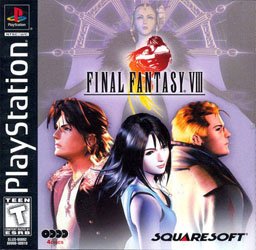
Final Fantasy VIII
PS1PCRPGMainlineSquall and Rinoa—SeeD, GFs, and Junction system. It remains a key Release marker for PS1, PC (1999) and how players discuss where to start.
- Overview
- More realistic character models and romance-forward plot. Final Fantasy VIII still matters for how the series plays and what later games borrow.
- In-game setting
- Standalone—no connection to VII or IX. Story beats and cast around Final Fantasy VIII help align Release vs Story; skip only if tagged optional.
- Should you play it?
- Divisive systems—standalone entry anytime after you want a 1990s Square epic. Play Final Fantasy VIII where. Follow Start Here if you want the shortest 2026 checklist that still includes this chapter.
- Release date
- US launch September 9, 1999. Remastered on modern consoles/PC. Prefer current digital editions when the original release is awkward to run.
Final Fantasy V
PS1RPGMainlineBartz and the Crystals—deep job system. It remains a key Release marker for PS1 (1999) and how players discuss where to start.
- Overview
- First US release via Final Fantasy Anthology on PlayStation September 30, 1999. Final Fantasy V still matters for how the series plays and what later games borrow.
- In-game setting
- Standalone—job mastery focus. Story beats and cast around Final Fantasy V help align Release vs Story; skip only if tagged optional.
- Should you play it?
- Often skipped in favor of VI or VII—great for mechanics-first players. Slot Final Fantasy V per this tab; remasters beat original hardware for most newcomers.
- Release date
- Pixel Remaster 2021. Shipped around 1999 on PS1; prefer current digital editions when originals are awkward.
Final Fantasy IX
PS1RPGMainlineZidane and Garnet—return to classic fantasy tone. It remains a key Release marker for PS1 (2000) and how players discuss where to start.
- Overview
- Deliberate nostalgia for I–VI aesthetics on PS1 hardware. Final Fantasy IX still matters for how the series plays and what later games borrow.
- In-game setting
- Standalone—Active Time Event system and ensemble adventure. Story beats and cast around Final Fantasy IX help.
- Should you play it?
- Fan-favorite single entry—great one-and-done JRPG. Play Final Fantasy IX where this tab places it; remake entries can replace older versions when listed.
- Release date
- US launch July 7, 2000. Switch/Steam remaster available. Shipped around 2000 on PS1; prefer current digital editions when originals are awkward.
Final Fantasy X
PS2RPGMainlineSagaTidus and Yuna—Spira pilgrimage, voice acting first for mainline. It remains a key Release marker for PS2 (2001) and how players discuss where to start.
- Overview
- Fully voiced mainline—CTB variant and Sphere Grid. Final Fantasy X still matters for how the series plays and what later games borrow.
- In-game setting
- Leads into Final Fantasy X-2 on Story order (FAQ/optional entry). Story beats and cast around Final Fantasy X.
- Should you play it?
- Strong standalone entry—add X-2 after if you want closure. Play Final Fantasy X where this tab places it; remake entries can replace older versions when listed.
- Release date
- US PS2 launch December 17, 2001. HD Remaster bundles X-2. Shipped around 2001 on PS2; prefer current digital editions when originals are awkward.
Final Fantasy XI
PCPS2Xbox 360OnlineMainlineVana'diel MMORPG—first online mainline number. It remains a key Release marker for PC, PS2, Xbox 360 (2002) and how players discuss where to start.
- Overview
- Square's first MMO mainline—ongoing for years with expansions. Final Fantasy XI still matters for how the series plays and what later games borrow.
- In-game setting
- Separate online continuity—not part of single-player saga entries. Story beats and cast around Final Fantasy XI.
- Should you play it?
- Legacy MMO—most timeline players skip; XIV is the modern online FF. Play Final Fantasy XI where this tab. Follow Start Here if you want the shortest 2026 checklist that still includes this chapter.
- Release date
- US PC launch May 14, 2002. Console support ended—PC only today. Prefer current digital editions when the original release is awkward to run.
Final Fantasy XII
PS2RPGMainlineVaan and Ashe—Ivalice politics, Gambit combat. It remains a key Release marker for PS2 (2006) and how players discuss where to start.
- Overview
- Semi-real-time Gambit system—single controllable party leader. Final Fantasy XII still matters for how the series plays and what later games borrow.
- In-game setting
- Ivalice setting links to Tactics spin-offs (FAQ)—not to other numbered worlds. Story beats and cast around. Vaan and Ashe—Ivalice politics, Gambit combat.
- Should you play it?
- Excellent standalone—play Zodiac Age version if buying today. Play Final Fantasy XII where this tab places it; remake entries can replace older versions when listed.
- Release date
- US PS2 launch October 31, 2006. Zodiac Age remaster on current platforms. Prefer current digital editions when the original release is awkward to run.
Final Fantasy III
DSRPGMainlineJob system classic—Crystal Warriors vs Cloud of Darkness. It remains a key Release marker for DS (2006) and how players discuss where to start.
- Overview
- First official US version on Nintendo DS (3D remake) November 14, 2006. Final Fantasy III still matters for how the series plays and what later games borrow.
- In-game setting
- Standalone—job class pivot point for the series. Story beats and cast around Final Fantasy III help align Release vs Story; skip only if tagged optional.
- Should you play it?
- Optional classic—many fans start at IV or VII instead. Play Final Fantasy III where this tab places it; remake entries can replace older versions when listed.
- Release date
- Pixel Remaster 2021 on PC. Shipped around 2006 on DS; prefer current digital editions when originals are awkward.
Final Fantasy II
PSPRPGMainlineFirion and the Emperor—keyword stat growth. It remains a key Release marker for PSP (2007) and how players discuss where to start.
- Overview
- First US release via Final Fantasy I & II: Dawn of Souls (GBA 2004); PSP Origins July 2007 used here for US sort date.
- In-game setting
- Standalone—introduced named characters and keyword dialogue systems. Use neighboring titles with Final Fantasy II if you want full cast continuity.
- Should you play it?
- Skip unless completing every mainline number—no impact on later plots. Slot Final Fantasy II per this tab; remasters beat original hardware for most newcomers.
- Release date
- Pixel Remaster worldwide 2021 on Steam. Shipped around 2007 on PSP; prefer current digital editions when originals are awkward.
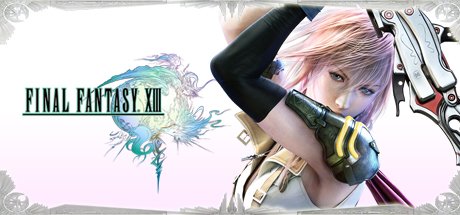
Final Fantasy XIII
PS3Xbox 360RPGMainlineSagaLightning and Cocoon—linear PS3-era trilogy begins. It remains a key Release marker for PS3, Xbox 360 (2010) and how players discuss where to start.
- Overview
- Paradigm Shift battle system—cinematic linear first chapter. Final Fantasy XIII changed series craft—systems,.
- In-game setting
- First of XIII → XIII-2 → Lightning Returns saga. Story beats and cast around Final Fantasy XIII help align Release vs Story; skip only if tagged optional.
- Should you play it?
- Commit to trilogy if you start—see FAQ for sequel entries. Play Final Fantasy XIII where this tab places it; remake entries can replace older versions when listed.
- Release date
- US launch March 9, 2010. Xbox One/Series/PC ports later. Shipped around 2010 on PS3, Xbox 360; prefer current digital editions when originals are awkward.
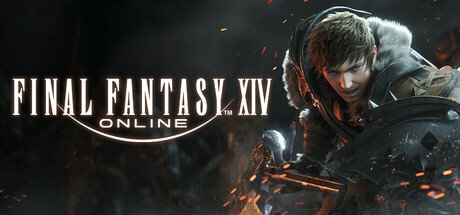
Final Fantasy XIV
PCPS4PS5Xbox Series X|SOnlineMainlineA Realm Reborn—Hydaelyn MMORPG relaunch. It remains a key Release marker for PC, PS4, PS5 (2013) and how players discuss where to start.
- Overview
- Rebuilt after 2010 1.0 failure—Naoki Yoshida's live-service reinvention. Final Fantasy XIV still matters for how the series plays and what later games borrow.
- In-game setting
- Sort date uses A Realm Reborn US PC launch August 27, 2013—not 1.0. Use neighboring titles with Final Fantasy XIV if you want full cast continuity.
- Should you play it?
- Separate from single-player numbered stories—ongoing expansions, not a finish line. Follow Start Here if you want the shortest 2026 checklist that still includes this chapter.
- Release date
- Free trial available; expansions through Dawntrail (2024) and beyond. Shipped around 2013 on PC, PS4, PS5,.
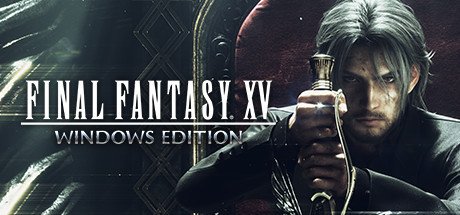
Final Fantasy XV
PS4Xbox OnePCRPGMainlineNoctis and the bros—open-world road trip. It remains a key Release marker for PS4, Xbox One, PC (2016) and how players discuss where to start.
- Overview
- Action combat road-trip structure—longest dev cycle in series history. Final Fantasy XV changed series. Noctis and the bros—open-world road trip.
- In-game setting
- Standalone—Brotherhood anime and Royal Edition patches in FAQ. Use neighboring titles with Final Fantasy XV if you want full cast continuity.
- Should you play it?
- Play Royal Edition / Episode Ardyn DLC optional for completionists. Slot Final Fantasy XV per this tab; remasters beat original hardware for most newcomers.
- Release date
- US launch November 29, 2016. Windows edition 2018. Shipped around 2016 on PS4, Xbox One, PC; prefer current digital editions when originals are awkward.
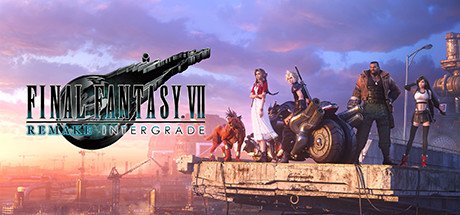
Final Fantasy VII Remake
PS4PCPS5RPGMainlineSagaMidgar reimagined—Remake timeline branch from FF VII. It remains a key Release marker for PS4, PC, PS5 (2020) and how players discuss where to start.
- Overview
- Action RPG remake of VII opening—story diverges from 1997 canon by end. Midgar reimagined—Remake timeline branch from FF VII.
- In-game setting
- Play after FF VII or as modern entry point—continues in Rebirth. Story beats and cast around Final Fantasy. Midgar reimagined—Remake timeline branch from FF VII.
- Should you play it?
- Not a 1:1 replacement for 1997—treat as new saga branch. Play Final Fantasy VII Remake where this tab places it; remake entries can replace older versions when listed. Beyond the games: Final Fantasy media.
- Release date
- US launch April 10, 2020. Intergrade on PS5/PC adds Yuffie episode. Prefer current digital editions when the original release is awkward to run.
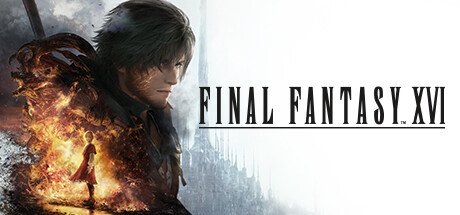
Final Fantasy XVI
PS5PCRPGMainlineClive Rosfield—action epic on Valisthea. It remains a key Release marker for PS5, PC (2023) and how players discuss where to start.
- Overview
- Full action combat mainline—Game of Thrones–influenced mature tone. Final Fantasy XVI changed series. Clive Rosfield—action epic on Valisthea.
- In-game setting
- Standalone world—no link to VII or XIV required. Story beats and cast around Final Fantasy XVI help align Release vs Story; skip only if tagged optional.
- Should you play it?
- Strong modern single-player entry—good 2020s starting point. Play Final Fantasy XVI where this tab places it; remake entries can replace older versions when listed.
- Release date
- US PS5 launch June 22, 2023. PC September 2024. Shipped around 2023 on PS5, PC; prefer current digital editions when originals are awkward.
Final Fantasy VII Rebirth
PS5PCRPGMainlineSagaRemake saga part 2—leaves Midgar for the world. It remains a key Release marker for PS5, PC (2024) and how players discuss where to start.
- Overview
- Open-zone exploration—direct sequel to Remake only. Final Fantasy VII Rebirth still matters for how the series plays and what later games borrow.
- In-game setting
- Third part of Remake trilogy still upcoming as of June 2026—FAQ. Use neighboring titles with Final Fantasy VII Rebirth if you want full cast continuity.
- Should you play it?
- Requires Remake first—parallel to but separate from 1997 FF VII ending. Play Final Fantasy VII Rebirth where. Follow Start Here if you want the shortest 2026 checklist that still includes this chapter.
- Release date
- US PS5 launch February 29, 2024. PC June 2024. Shipped around 2024 on PS5, PC; prefer current digital editions when originals are awkward.
FAQ
Mainline vs saga paths, VII Remake, films, and spin-offs.
Release order
Optional & spin-offs
Spirits Within (2001) stands alone. VII: Advent Children after the 1997 game—not Remake. XV: Brotherhood → Kingsglaive → play Final Fantasy XV. XIV: Dad of Light is optional real-world drama. Full watch order → [Final Fantasy films timeline](/final-fantasy-media).
More timelines
Other release-order and story-order guides on this site.
- Game series
Dragon Quest
Dragon Quest release and story order (1989–2026)—mainline I–XI, Erdrick trilogy…
- Game series
Kingdom Hearts
Kingdom Hearts release and story order (2002–2026)—Birth by Sleep through KH III, HD…
- Media
Final Fantasy Media
Final Fantasy film and series watch order (2001–2017)—Spirits Within, Advent Children,…
- Game series
Persona
Persona release and story order (1996–2027)—mainline 1 through 5, Strikers, Persona 4…
- Game series
Final Fantasy VII
Final Fantasy VII Compilation and Remake trilogy in release and story order—Crisis…
- Game series
Final Fantasy Spin-Offs
Final Fantasy spin-off play order for 2026—Ivalice Tactics chain, Crystal Chronicles…
- Game series
Tales of
Tales of release and story order—Western-available mainline from Symphonia through…